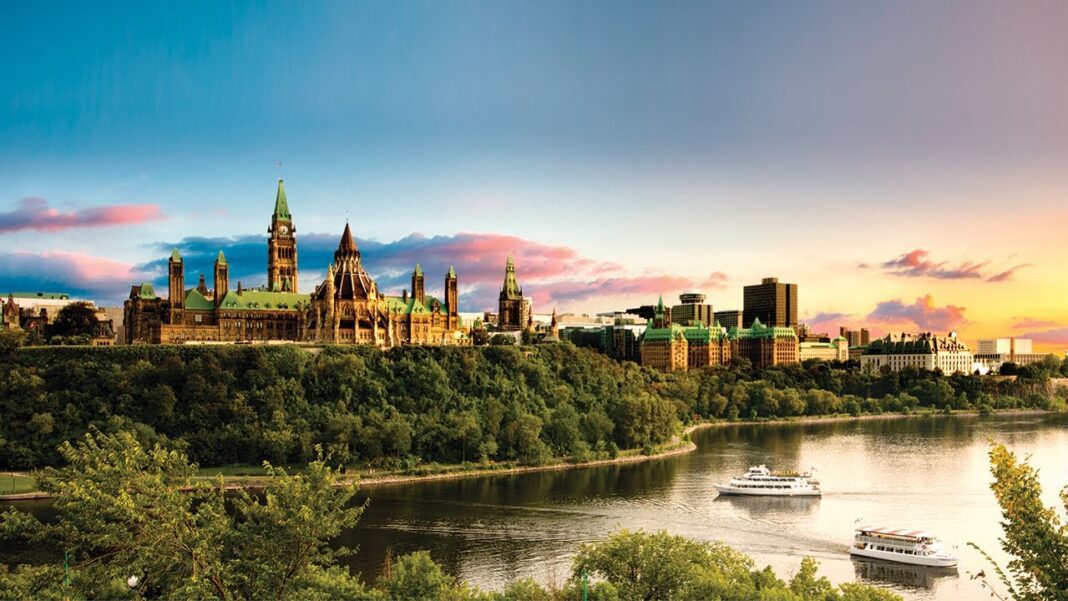

Ottawa is a city of culture, tolerance, and natural beauty. But do you know how and when Ottawa became the capital of Canada? Ottawa Yes will tell you more about this fascinating history.
The History of Canada’s Previous Capitals
It is surprising to learn that Canada’s capital changed six times. The decision always sparked debates, with strong contenders such as Toronto, Quebec City, and Kingston. Ottawa, which was one of the last candidates, ultimately won the title of the capital.
One of the most significant events in this history took place in 1849, when Montreal served as the capital. However, due to violent protests, the status was transferred to Toronto. That same year, rebels burned down the Parliament building in Montreal.
The timeline of Canada’s capital changes is as follows:
- 1841–1844 – Kingston was the capital of Canada.
- 1844–1849 – Montreal.
- 1849–1851 – Toronto.
- 1851–1855 – Quebec City.
- 1855–1859 – Toronto once again became the capital.
- 1859–1865 – Quebec City reclaimed the title.
- Since 1866 – Ottawa has remained the capital of Canada.
The Capital Selection Process
Choosing a capital was a complex process, as many factors had to be taken into account. Understanding this decision requires insight into Canada’s colonial history.
In the mid-1500s, French explorer Jacques Cartier claimed these lands for the King of France, making Canada a French-controlled territory for over a century. However, after Britain’s victory over France, Canada became a British colony known as “The Province of Quebec.”
In 1857, several Canadian cities competed for the title of capital. The final decision, however, was left to Queen Victoria. She was petitioned at least three times before she ultimately selected a city.
Many were surprised by her choice, as Ottawa at the time was a small and newly incorporated town.
Folklore: How Did Queen Victoria Choose Ottawa?
There are several theories and legends explaining why the Queen made this decision:
- A random selection – According to one story, Queen Victoria placed a pin on a map between Toronto and Montreal, and it landed on Ottawa.
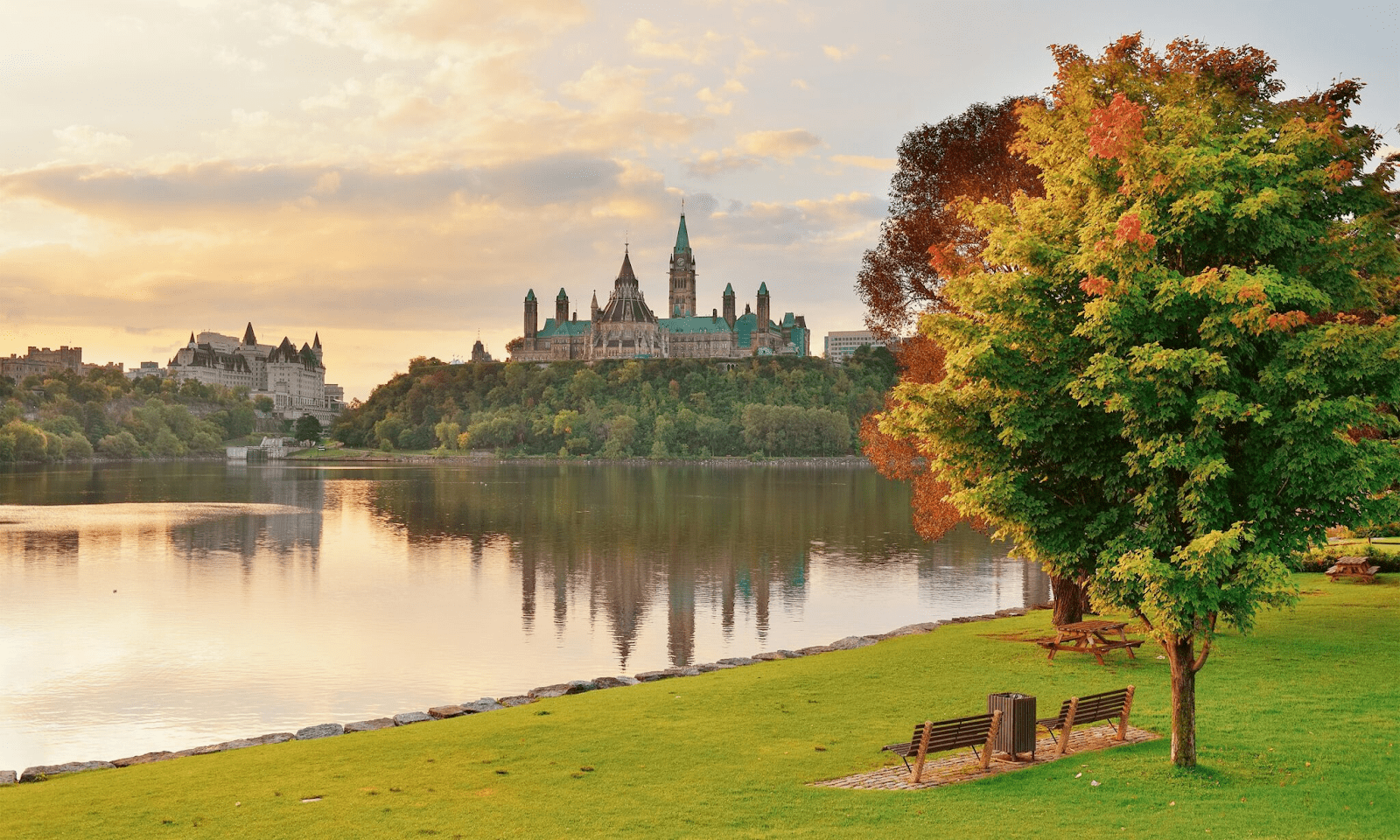
- The scenic landscape – Another legend claims that she was enchanted by Ottawa’s natural beauty.
- Ottawa’s economic and political prospects – The city was experiencing economic growth and was a key hub for railway transportation. In 1857, the Bytown and Prescott Railway was completed. Additionally, Ottawa had a long-established history of trade, benefiting from its proximity to major rivers.
- Its location – Ottawa was positioned between Montreal and Toronto, along the Ontario-Quebec border.
- Security reasons – Ottawa was further from the American border, making it less vulnerable to attacks. This was a crucial factor, as the War of 1812 had demonstrated how exposed Canada’s major cities were to American invasions. Some publications sarcastically noted that any invaders would get lost in Ottawa’s dense forests before they could even find the city.
Not everyone agreed with Queen Victoria’s decision. As a result, Toronto retained its status as the capital for two more years, while Quebec City held the title for another six.
The Official Designation
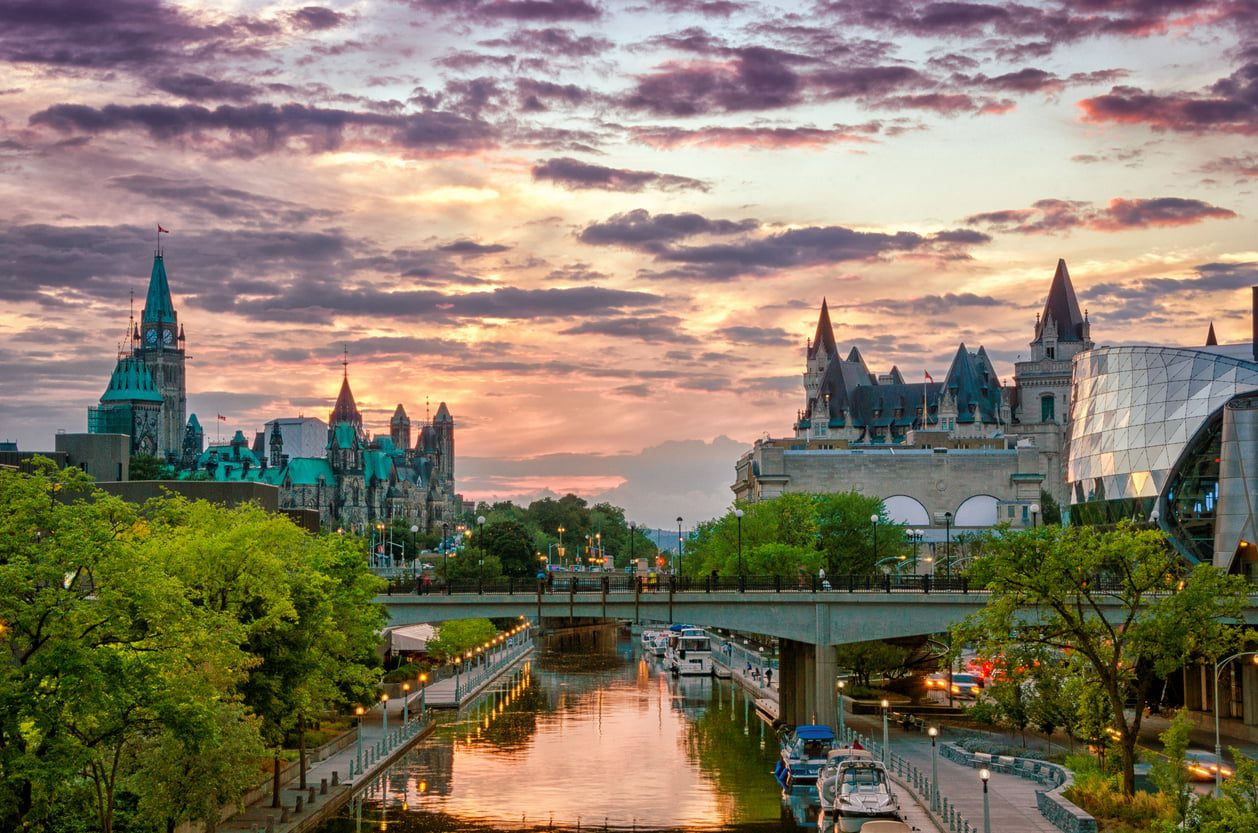
Ottawa was officially declared the capital of Canada in 1866. Since then, it has been home to the House of Commons and the majority of federal political institutions. In the heart of the city lies Parliament Hill, the seat of Canada’s government and one of Ottawa’s top tourist attractions.
It is worth noting that Bytown was renamed Ottawa in 1855, when its population reached 14,000 residents. The Parliament buildings, located on the western side of the canal, were inaugurated in 1865. Since 1867, Ottawa has been the fourth-largest city in Canada.