
During the second half of the 20th century, many Armenian individuals carried out attacks on Turkish targets—including embassies—in various countries. Several such incidents also took place in Ottawa, perpetrated by members of the Armenian diaspora. The entire conflict at the Turkish Embassy in Canada’s capital was staged with the aim of forcing Turkey to recognize the Armenian Genocide of the 1910s. Moreover, these attacks around the world reflected Armenian demands that Turkey return their historical lands. Read more at ottawayes.com.
Regular Attacks by Armenians in Ottawa
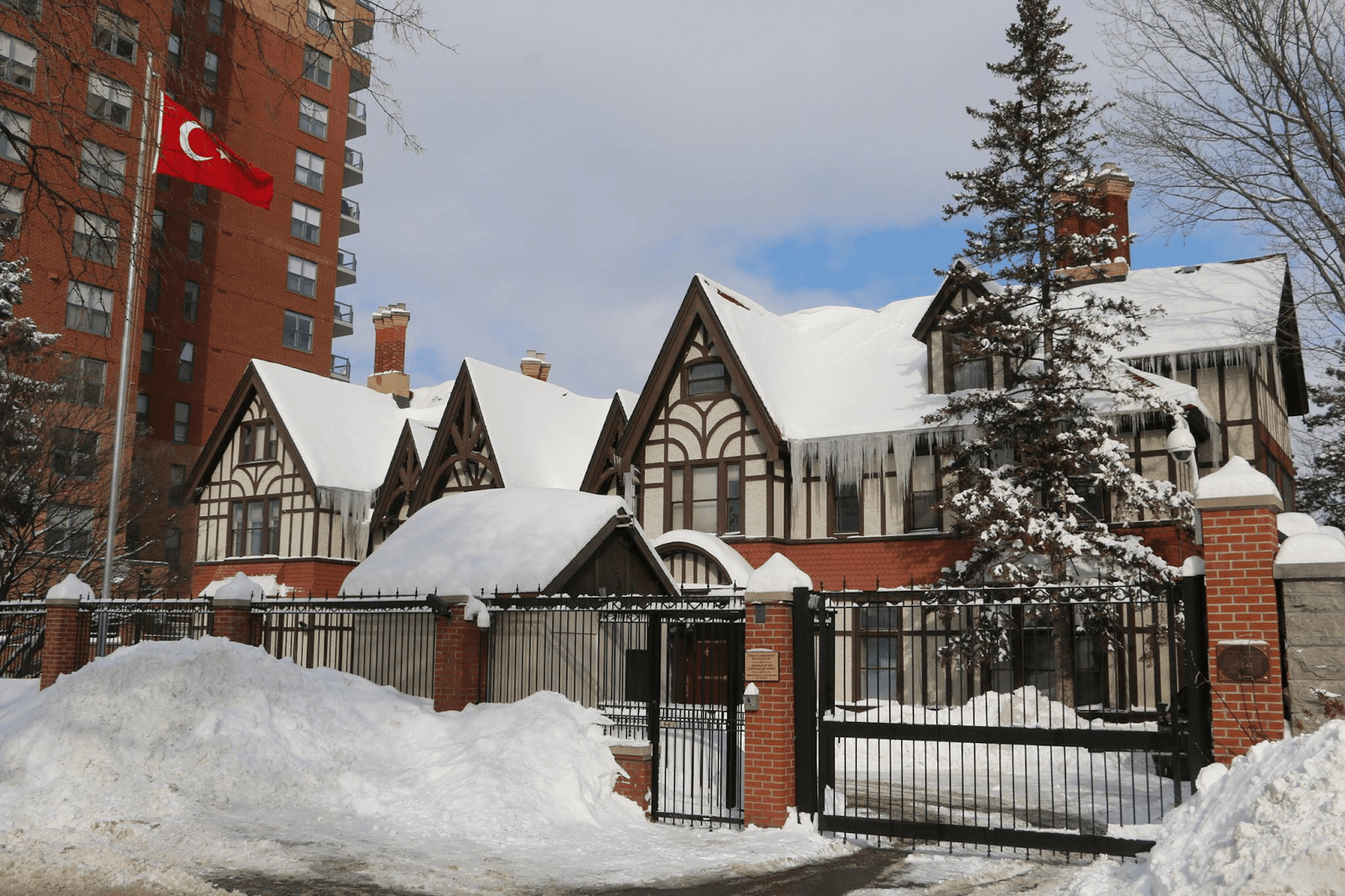
Armenian attacks on the Turkish Embassy in Ottawa occurred repeatedly during the 1980s. Notably, in the spring of 1982, criminals in Ottawa targeted a counsellor at the Turkish Embassy, leaving him gravely wounded. A few months later, in the summer of that same year, the embassy’s military attaché was killed—gunned down on his way to work.
Attack on the Turkish Embassy in Ottawa
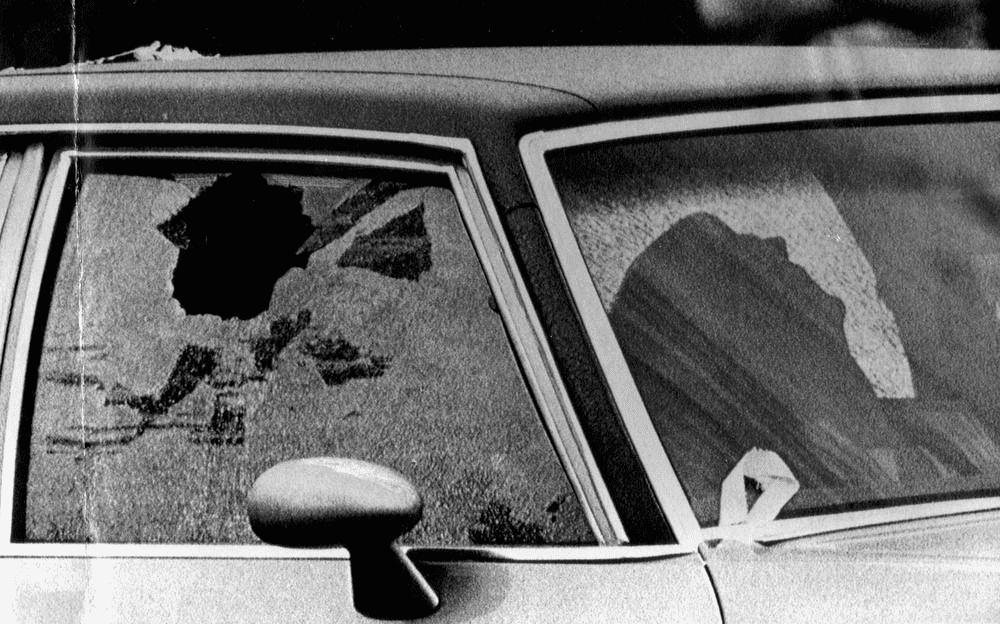
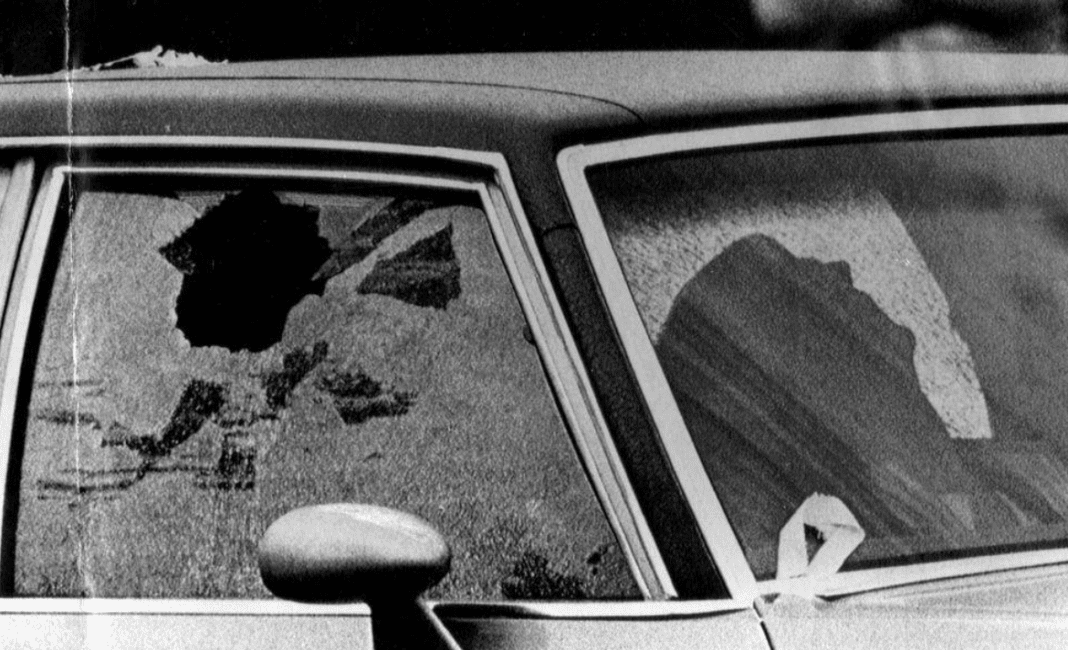
The last known attack carried out by Armenians against the Turkish Embassy in Ottawa happened in 1985. To prepare for it, a group in Ottawa rented a truck. Their organized assault on the Turkish Embassy began early on the morning of March 12, 1985. The attackers—Armenians—drove their rented truck directly to the embassy, located near Parliament Hill. Upon arrival at the main gates, they exited the vehicle and scaled the fence. Once on embassy grounds, they opened fire on the security booth. That day, security was being handled by a guard and a student from the University of Ottawa. In the first moments of the assault, the student remained composed, pressing the emergency button for help, retrieving a weapon, and stepping out of the booth to confront the attackers. He fired toward the intruders, but they returned fire—fatally wounding this brave University of Ottawa student.
The Turkish Embassy building in Ottawa had reinforced doors. To break through, the attackers used a homemade bomb. After blowing the doors open, the Armenians forced their way inside and took everyone in the building hostage—about 12 people in total, including the Turkish ambassador’s entire family. The ambassador managed to escape by leaping out a window. Though he evaded the assailants, his fall from the second floor caused fractures to his right arm, leg, and pelvis.
While inside the embassy, the Armenians made a series of phone calls stating their demands. They offered to trade the Turkish Embassy hostages for a declaration from the Turkish government acknowledging its role in the 1915 genocide against Armenians. They also demanded the return of confiscated Armenian lands. These attacks, in the view of the Armenian perpetrators, were intended as a message that Turkey must be held accountable for the genocide.
Ottawa Police arrived almost immediately after the student guard pressed the emergency button. Within a few hours, the assailants who had taken over the Turkish Embassy surrendered, releasing all hostages and emerging from the building with their hands raised. They requested only that the Ottawa authorities refrain from killing them.
A year later, an Ottawa court sentenced those involved in the attack on the Turkish Embassy to life imprisonment.