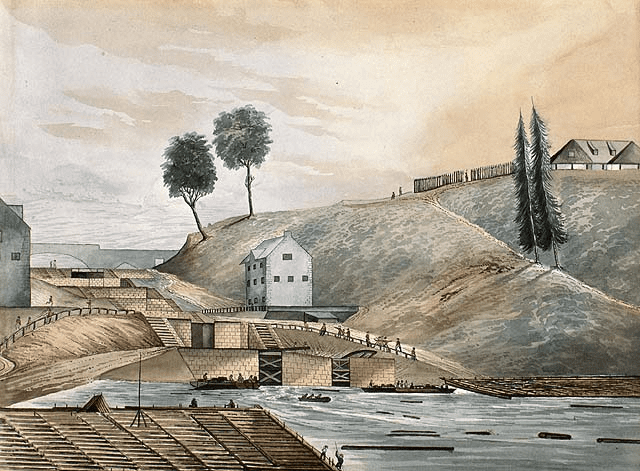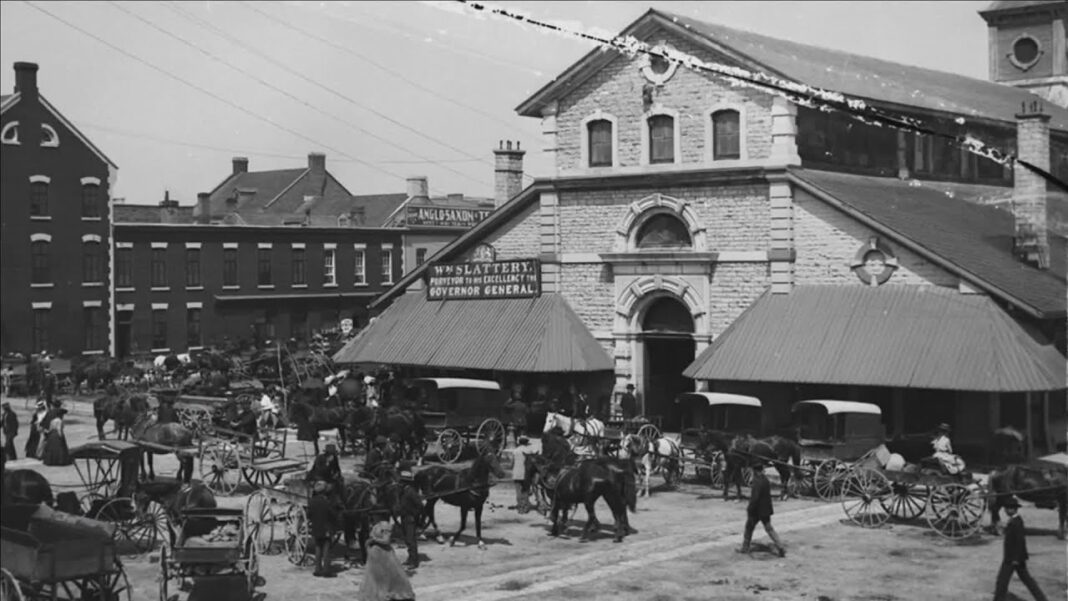

The small community known as Bytown was a dangerous place at the time. Religious and ethnic tensions frequently escalated into fights and riots. This was particularly evident on Saint Patrick’s Day or during the July anniversary of the Battle of the Boyne. Ottawa Yes will delve deeper into the criminal world of Bytown and share intriguing historical facts.
Rising Tensions
The situation worsened due to longstanding historical grievances, poverty, and the widespread availability of alcohol. Such drinks could be easily purchased in legal taverns or illegally in grog houses.
When describing the criminal world of the community, it is essential to mention the “Shiner’s War.” This took place in the 1830s when competition between French and Irish lumberjacks intensified. However, in addition to this, Bytown was plagued by:
- theft;
- robbery;
- hooliganism;
- assaults and more serious crimes.
There are even records of Father Alexis, a local priest, who recounted that families despaired when their relatives had to travel to Bytown in search of work, especially in the timber industry.
Presence of Police
It was not until 1827 that the need for police presence in the community was officially recognized. The first appointed figure was Alexander Fraser, who served as the town constable. He held this position for 20 years.
Additional constables were recruited to help maintain order in the community, but this was not enough. Law enforcement officers were poorly trained and inadequately armed, working only part-time. This was insufficient to curb crime. Moreover, they were frequently threatened and intimidated.
Historical records reveal several incidents that deserve attention.
For example, a constable would take a suspect or offender into custody for a violent crime. Friends or relatives of the suspect would often intervene, allowing the prisoner to escape across the Ottawa River into Lower Canada. Effectively, the suspect was beyond Bytown’s legal reach.
Among the systemic problems at the time was the absence of a local jail. When transporting an offender to Perth for trial, the level of risk was high due to:
- the high probability of ambush;
- the significant cost of transportation;
- the constable’s fear for their own life and safety.
In critical situations, the police would call for reinforcements from the military militia, which could only intervene in exceptional cases.
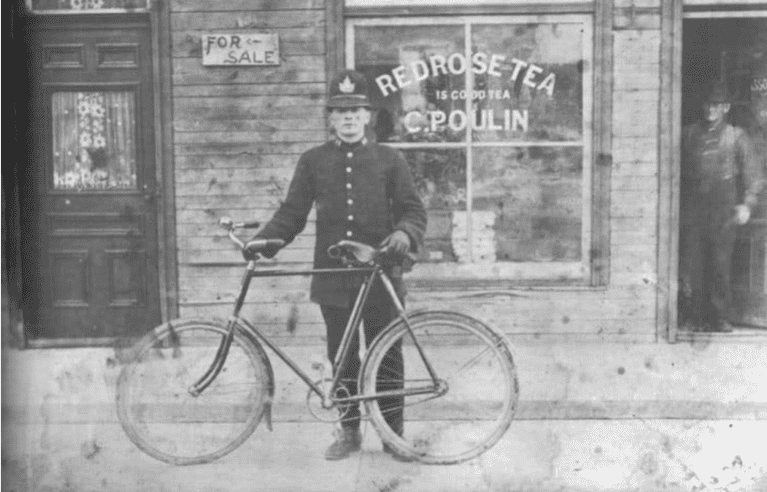
The Fight Against Bytown’s Criminal World: Historical Events by Date
- 1835 – The Bytown Public Police Association was established, consisting of 200 men. However, it suffered from poor management, and lawlessness continued.
- 1847 – Isaac Berrishon was appointed chief constable of the community, enforcing order, pursuing offenders, and inspecting markets.
- 1847 – The Bytown Grand Jury recommended the creation of a regular police force to the town council. By the mid-1850s, the number of constables in Bytown had increased.
- 1855 – Bytown was officially renamed Ottawa, and the chief constable’s salary increased from a meager 25 pounds sterling per year (equivalent to $30.30) to $600 per year.
- March 1866 – Ottawa was advised to establish a permanent police force in the city. By the end of May that year, the appropriate decision was made, proving its effectiveness.
New Strength and the Defeat of the Criminal World
With the establishment of a permanent uniformed police force in Ottawa, residents felt a sense of relief. Local newspapers confirmed this improvement. Many troubles were eliminated, and the number of thefts and crimes decreased. A new era of the city’s development was beginning.