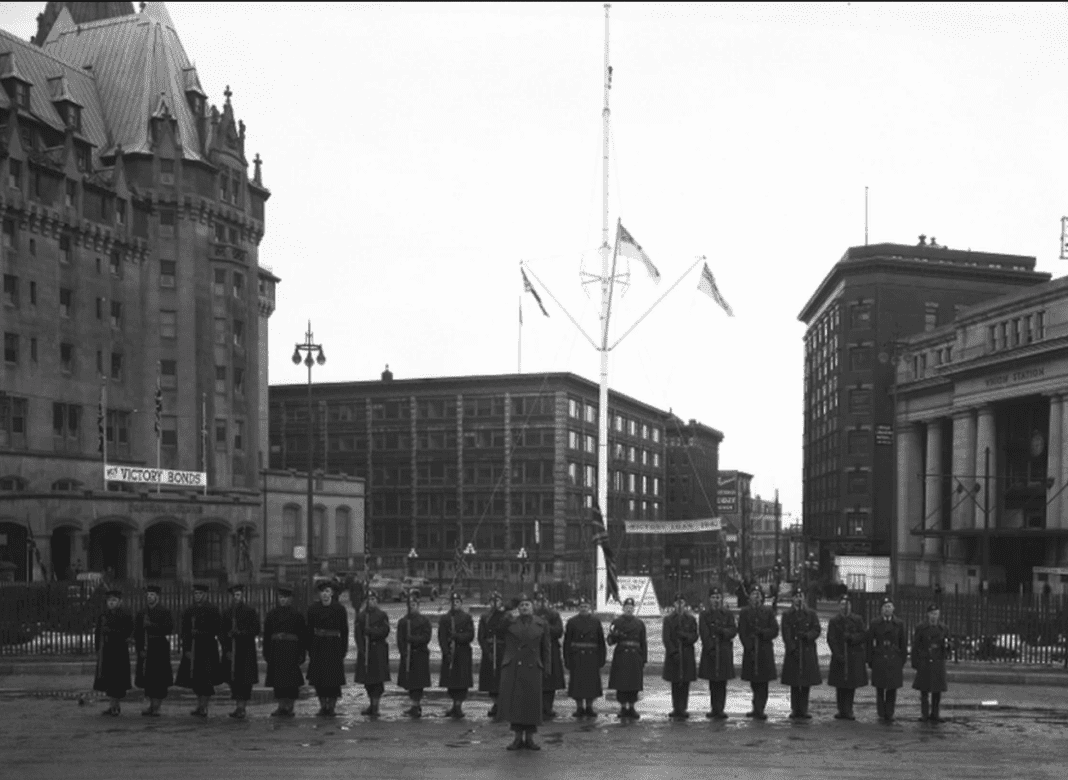

During World War II, Ottawa became the heart of the nation. What was it like? How did the population of Canada’s capital grow and change? What role did Mayor Stanley Lewis play in Ottawa’s postwar recovery? Ottawa Yes explores these questions in detail.
Looking Back: Ottawa During World War II
Senior city archivist Paul Henry recalls those times:
- Army barracks were located on Sussex Drive, housing women who had come from different parts of Canada to participate in the war effort. They paid $8 per week for lodging, while the average monthly wage was $66.
- Lansdowne Park served as a supply depot, where civilians were trained before deployment. The sports facilities were largely unused at the time.
- A team of intelligence specialists worked around the clock, intercepting encrypted German messages and relaying them to Britain. These specialists were stationed at the Central Experimental Farm.
Ottawa Began to Grow
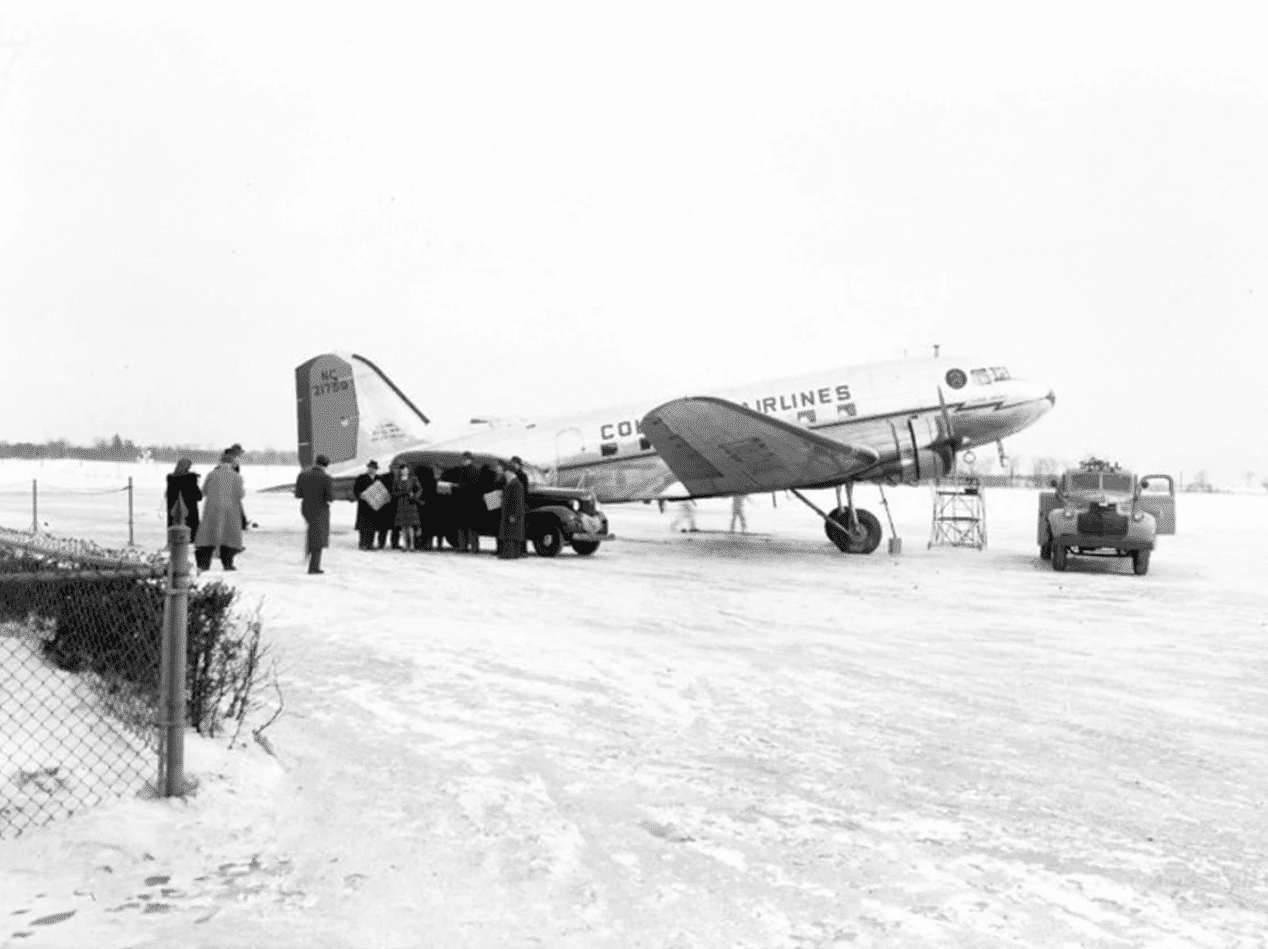
Before World War II, Ottawa was not considered a large community. In 1921, the registered population was 107,800. By 1941, this number had grown to 154,500—a 43% increase. The city’s expansion was driven by a massive influx of government workers and a military presence.
Residents made sacrifices to support the troops:
- Gasoline and tire rationing made it difficult for people to use their cars.
- Locals regularly sent supplies and food overseas to support soldiers. It wasn’t a decisive factor in the war, but it provided significant morale support.
- To get to work, Ottawans relied on railway lines and streetcars. Remnants of these lines can still be seen near the Diefenbaker Building and the Rideau Falls. Two stone pilings in the water serve as reminders of the past—they once supported a railway bridge.
During these years, Ottawa’s population truly grew, and the city transformed. However, infrastructure largely remained unchanged due to strict resource rationing, as the war effort was the top priority.
How Industry Changed
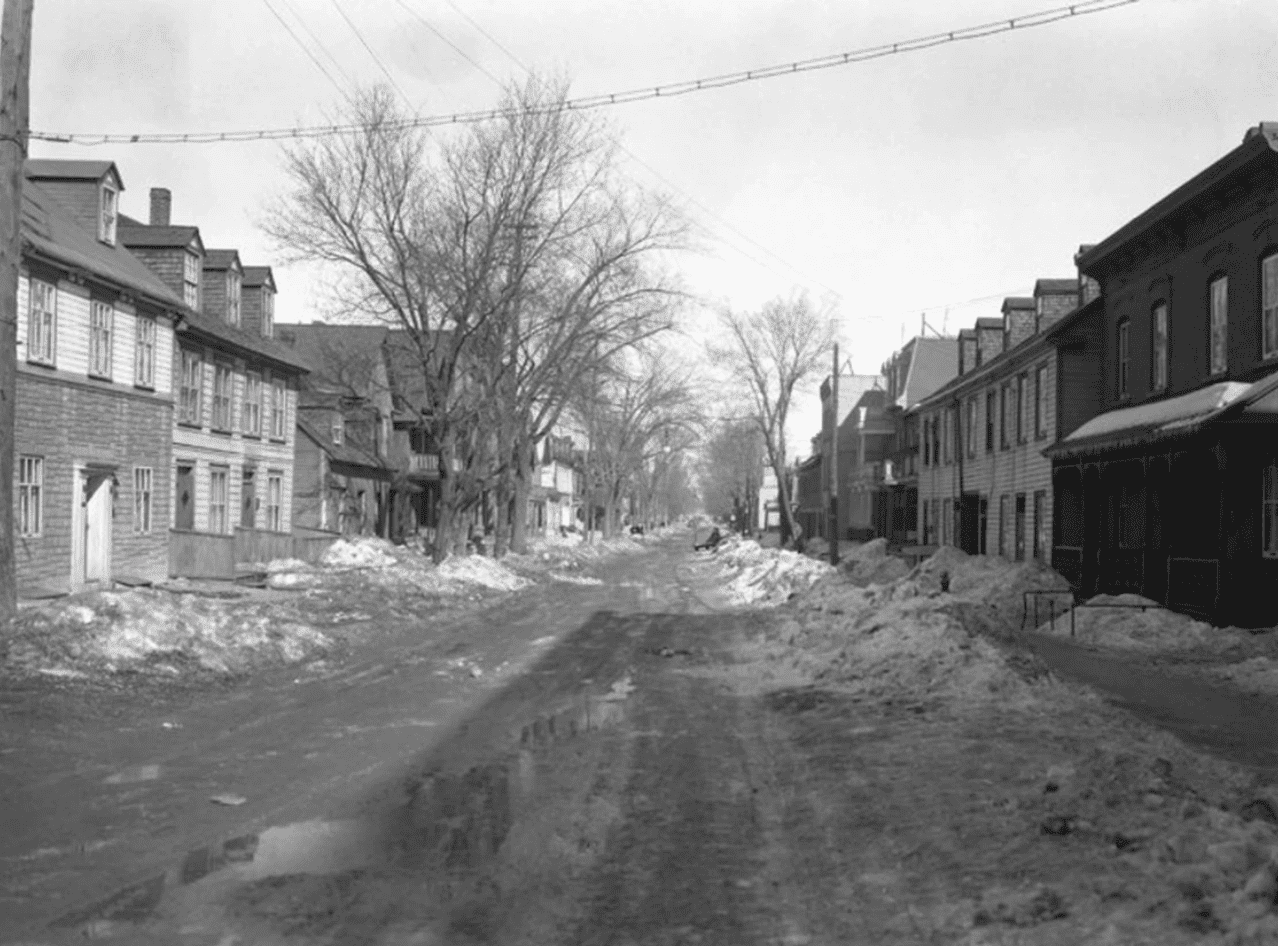
Where Ottawa City Hall stands today, temporary buildings once housed soldiers. Similar structures lined Carling Avenue near the Experimental Farm. Along the Ottawa River, the EB Eddy factory operated in what was then an industrial zone and working-class district undergoing major transformations.
Railway cars, aircraft, and aircraft components were being produced at a rapid pace. The city was bustling with activity.
Ottawa’s industrial sector flourished, with the Ottawa Car Company standing out. The company manufactured bomb bay doors and equipment for bombers.
The prevailing mood among citizens can be described in one word—grim. Survival was the only concern. Professional sports, games, and social activities disappeared as all focus shifted to the war effort.
Women at Work!
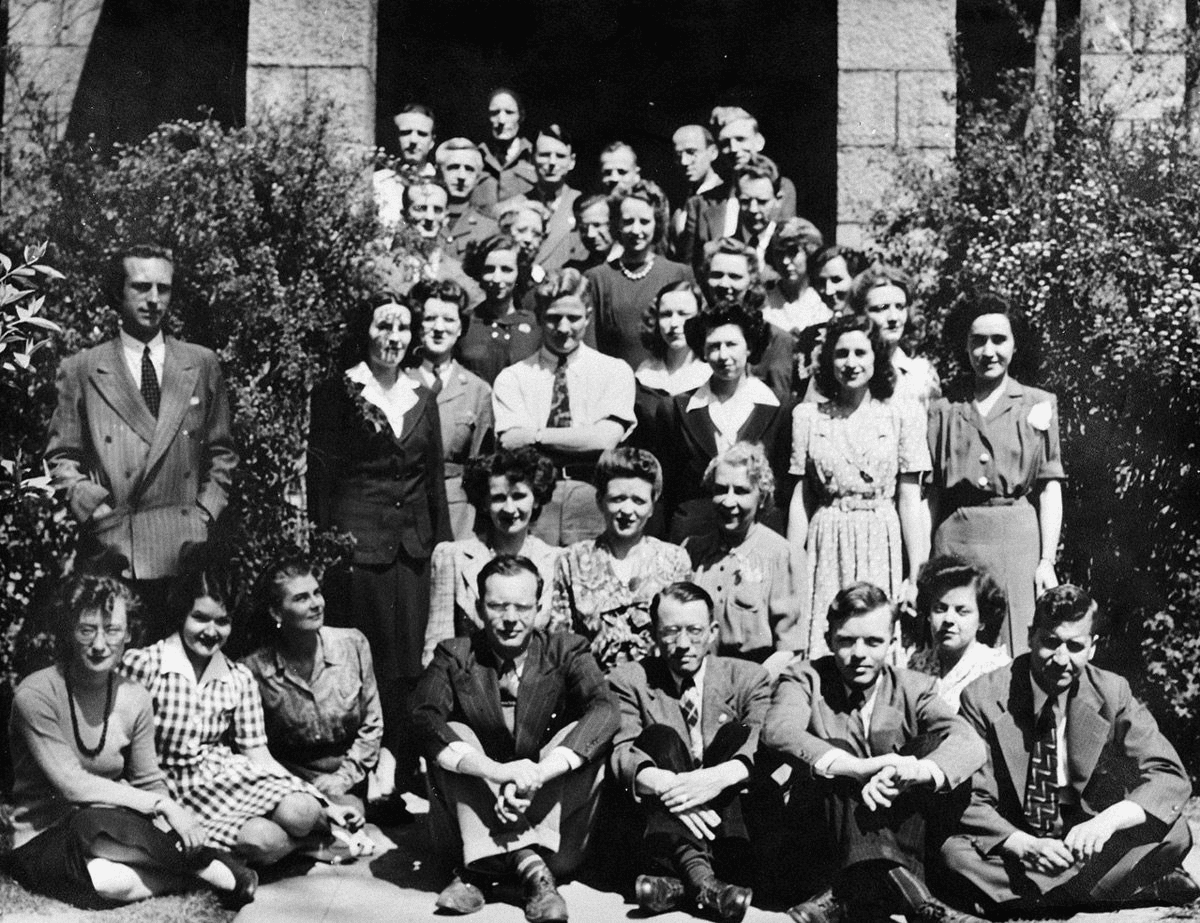
Most women worked in the Armed Forces or as civil servants. During the war, they took on many responsibilities that had traditionally been held by men. Women entered the industrial sector, producing machine parts and performing physically demanding labour alongside men.
While they were not permitted to serve in combat, women worked as secretaries and intelligence officers.
At the Experimental Farm, many women worked as codebreakers, helping intercept German communications. The events of this era are depicted in the 2014 film The Imitation Game, starring Benedict Cumberbatch.
The Lives of Immigrants
Life for Italian and German immigrants in Ottawa during World War II was extremely difficult and offered little opportunity. Most business owners dismissed these workers, though some found employment in the fire department.
The situation was particularly dire due to an internment camp in Petawawa (160 km from the capital), where Germans, Italians, and young individuals deemed security threats were detained. Between September 1939 and 1942, around 645 people were held there. Later, 292 Japanese Canadians from British Columbia were also interned.
These detainees were forced into hard labour, earning just 20 cents per day for road construction and logging. In February 1944, all interned individuals were released.
Finally, the War Was Over!
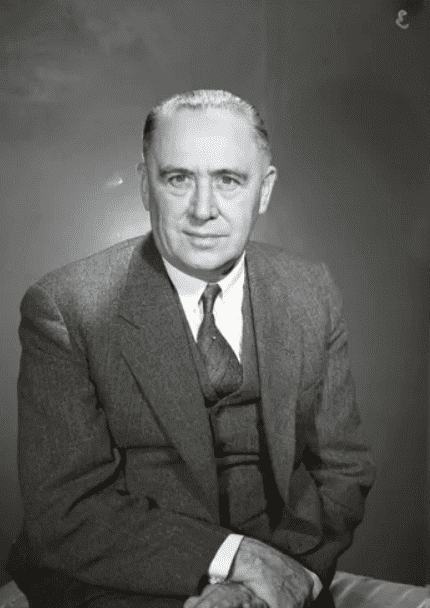
The city rejoiced, and a great burden was lifted from Ottawa’s shoulders. On May 8, 1945, a grand parade was held to celebrate victory. Due to communication delays from the Allies, news of the victory reached Ottawa 12 hours late. On Monday morning, Mayor Stanley Lewis received calls from neighbouring municipalities asking why Ottawa had not yet begun its celebrations. He responded that he was awaiting confirmation from the Canadian government, not from German sources.
A young boy ran through the streets, shouting to passersby:
“It’s over!”
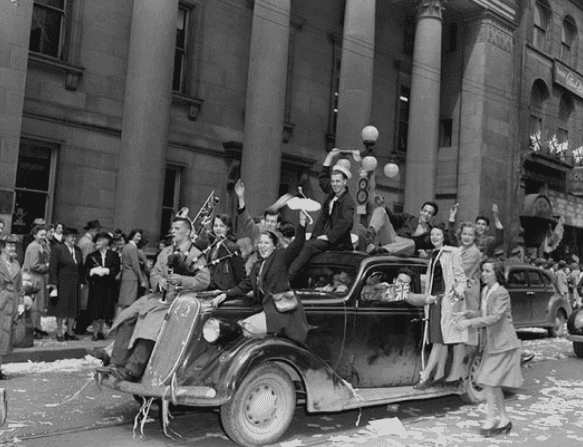
Mayor Stanley Lewis of Ottawa
Stanley Lewis was Ottawa’s mayor during World War II. His main responsibility was to keep the city running. He holds the record as Ottawa’s longest-serving mayor, holding office from 1936 to 1948.
Even after becoming mayor, he continued running his electrical supply store on Sparks Street. This fact is noted in the biographical writings of Dave Mullington.
Authors describe Mayor Lewis as “down-to-earth”, overshadowed by the war and offering few ideas for urban development and sustainability. Historical records confirm that he spent more time abroad than in Ottawa during his tenure.
His focus remained on economic matters. In 1939, he attended the coronation of King George VI. In return, he welcomed the King and Queen to Ottawa.
In 1948, Lewis suffered a heart attack, leading him to resign voluntarily. In 1970, he suffered another heart attack, which he did not survive.
A key figure of the time was Prime Minister Mackenzie King, leader of the Liberal Party of Canada. He served as Canada’s longest-ruling prime minister, holding power for 22 years. Before the war, King had hoped to avoid conflict, but within a week of its outbreak, he announced Canada’s involvement.
He struggled with conscription issues and passed away in July 1950 in Quebec, succumbing to pneumonia.
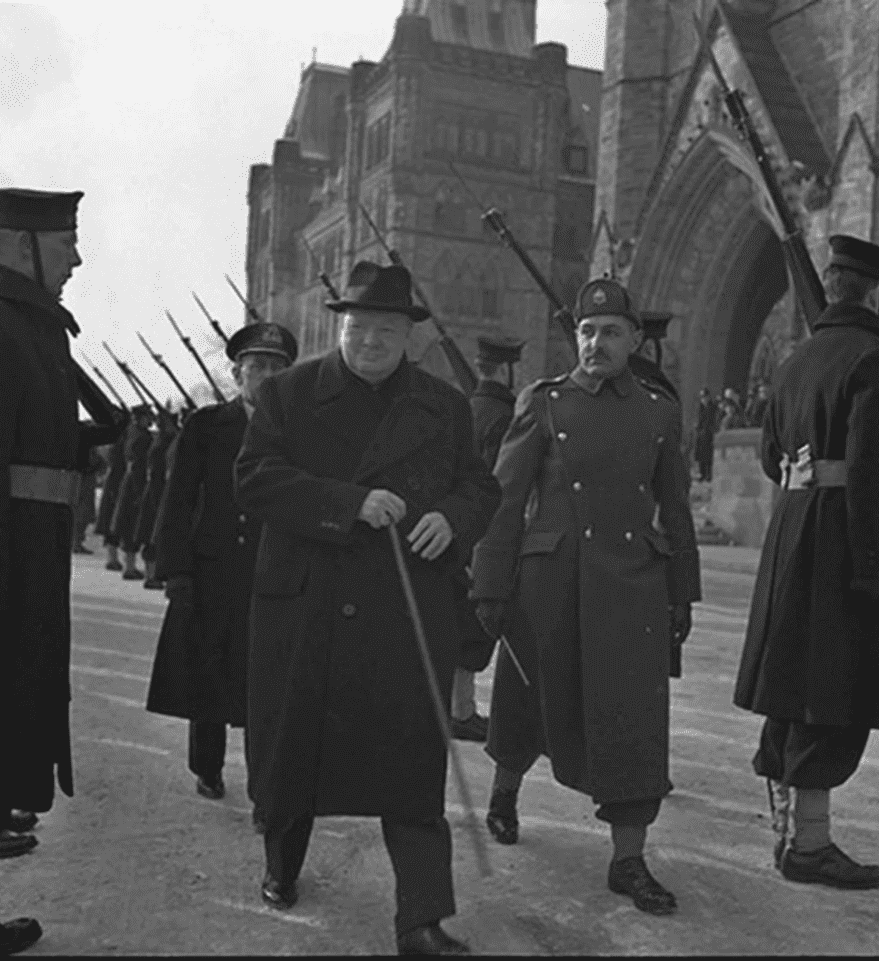
Ottawa—The Heart of Canada
Former British Prime Minister Sir Winston Churchill visited Ottawa more frequently than any other Canadian city, a total of six times.
During World War II, the bustling Canadian capital became the heart of the nation, making significant contributions to victory. Canada emerged from the war as a country that had built the world’s fourth-largest navy.