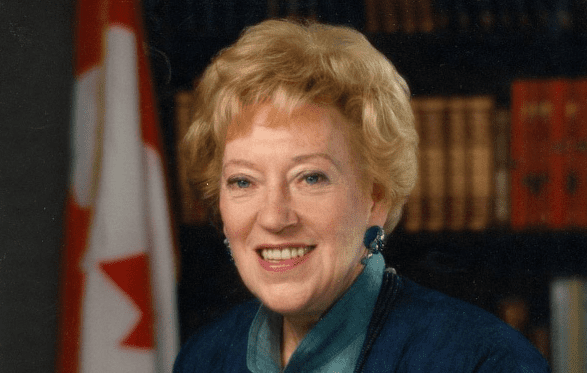

The late 19th and early 20th centuries marked a period of major change for Canadian women. They fought fiercely for equal rights, including the right to vote and greater representation in government. Thanks to the growing movement for women’s rights and freedoms, more women began to enter Canadian politics in the 20th century. One of them was the determined, fair, and successful Flora Isabel MacDonald, who made history as Canada’s first female Minister of Foreign Affairs. Read more on ottawayes.com.
Early Years of the Future Minister
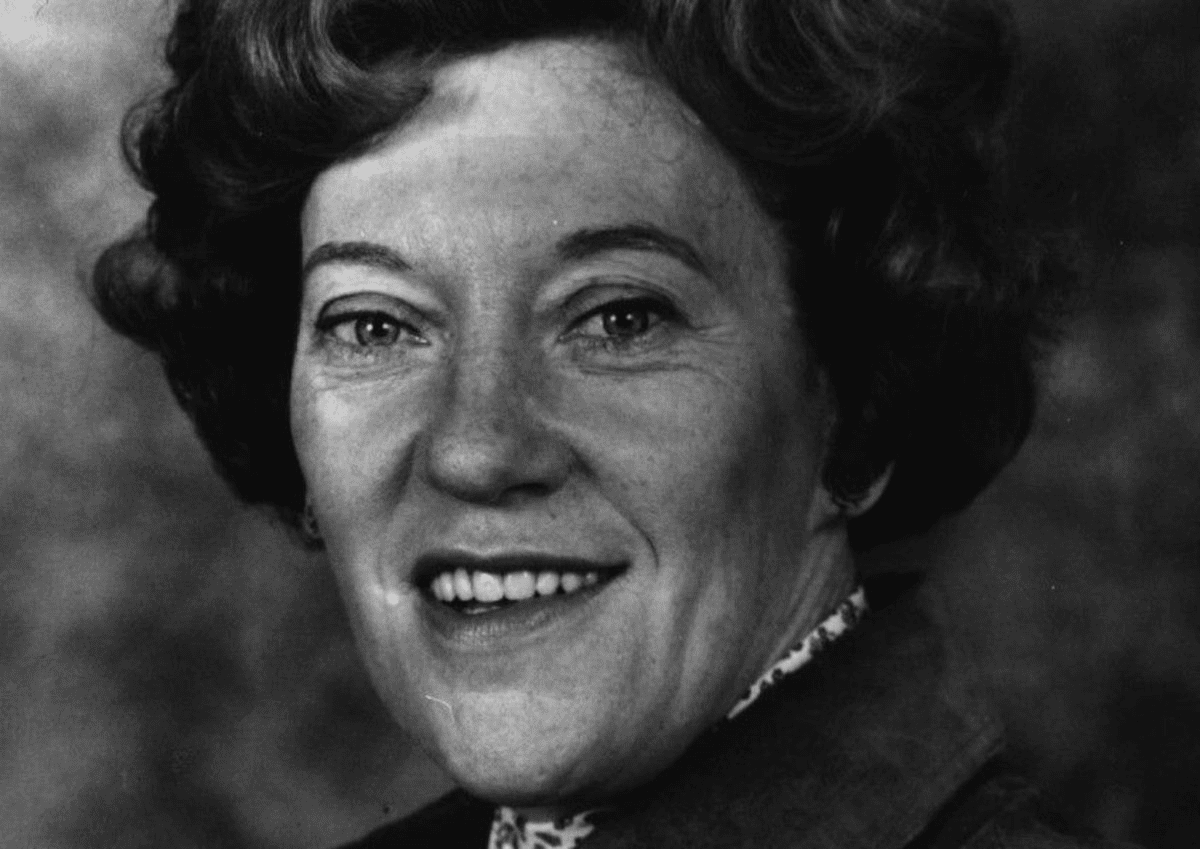
Flora was born in 1926 in Nova Scotia. Her family was well-established in the region—her grandfather was a clipper ship captain, regularly sailing across North America and Africa. Her father was the manager of the transatlantic Western Union telegraph station in Nova Scotia.
She excelled in school and, upon graduation, decided to pursue a career as a secretary. She enrolled at Imperial Business College, where she completed her studies and later worked as a bank teller. During her time at the bank, she saved enough money to move to England in 1950. While in Europe, she spent some time travelling by hitchhiking.
First Steps in Politics
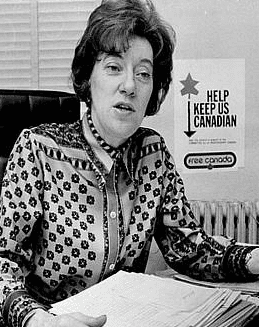
After her travels in Europe, Flora returned to Canada, determined to enter the political sphere. She quickly got involved in the Progressive Conservative Party of Nova Scotia, working on the election campaign for Robert Stanfield. Her contributions played a role in the party’s victory in the 1956 provincial election—her first major success in politics.
Between 1957 and 1958, Flora was hired as a secretary at the national office of the Progressive Conservative Party of Canada. She helped organize an effective election campaign for the party’s leader, John Diefenbaker.
In 1959, Flora moved to Ottawa to work for Diefenbaker—not as a party leader, but as the Prime Minister of Canada.
However, she soon became disillusioned with Diefenbaker’s leadership and supported an opposing candidate. As a result, he dismissed her.
Following her departure from Diefenbaker’s camp, Flora relocated to Kingston, where she worked at Queen’s University in the Department of Political Studies. At the same time, she continued her involvement in politics, helping to organize a successful election campaign for Stanfield, Diefenbaker’s political rival.
A Woman in Parliament
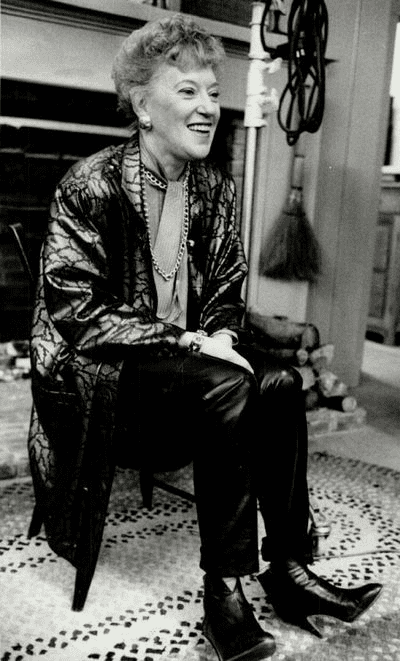
In 1972, Flora MacDonald reached a major milestone in her political career. Running for election in Ottawa, she secured enough votes to become a Member of Parliament for Kingston.
A Woman in Cabinet
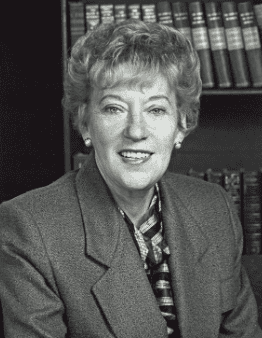
Flora was a strong, dedicated politician who excelled at her work and was determined to achieve her goals. She was a compelling speaker and widely respected by Canadians. She also had a talent for building important political relationships—one of the most significant being her connection with Joe Clark. The two became political allies, and in 1979, when Clark became Prime Minister of Canada, Flora was appointed Minister of Foreign Affairs. She became the first woman to hold this position not only in Canada but worldwide.
Working on Parliament Hill in Ottawa, Flora took her new role and responsibilities very seriously. One of the most pressing issues she faced was the refugee crisis. During her tenure as Minister of Foreign Affairs, large numbers of Vietnamese refugees arrived in Canada by boat after the Vietnam War. Thanks to Flora’s leadership, Canada successfully managed the influx, providing government support and assistance to those in need.
Flora also played a crucial role in the rescue of American diplomats from Iran. In 1979, when the U.S. Embassy in Tehran was seized, several American diplomats sought refuge in the Canadian Embassy. Flora convinced Prime Minister Clark’s cabinet of the urgent need to issue Canadian passports and funds to help them escape. With these passports, the Americans were able to leave Iran posing as Canadian citizens. This successful operation, led by MacDonald, became known as the “Canadian Caper” and later inspired the 2012 film “Argo”.
Flora’s tenure as Minister of Foreign Affairs lasted only until 1980, but in that short time, she made a significant impact. However, her time in office was cut short due to a miscalculation by Clark, which led to the removal of his entire government.
Return to Cabinet
For four years, MacDonald and Clark worked to regain political ground, preparing their party for new elections, but ultimately, they were defeated.
In 1984, after another election, Flora was offered a new position as Minister of Employment and Immigration. She held this role for two years before being appointed Minister of Communications.
In 1988, Flora decided to step away from politics. Despite her significant contributions to Canada, political life remained challenging for a woman. After leaving office, she shifted her focus to humanitarian work in Ottawa.
In the 1990s, MacDonald served as Chair of the Canadian Centre for International Development and later became President of the World Federalist Movement of Canada, advocating for global governance institutions.
In the early 21st century, at the age of 77, Flora made another return to Canadian politics. She opposed the merger of the Progressive Conservative Party and the Canadian Alliance, but despite her efforts, the merger proceeded, and in 2003, the Conservative Party of Canada was formed.
Death and Legacy of Flora MacDonald
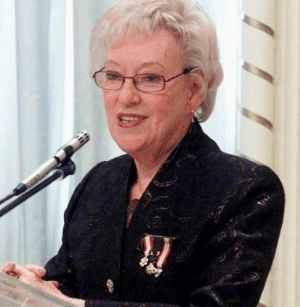
Flora MacDonald lived to the age of 89 and passed away in 2015 in Ottawa. She was a trailblazer for women in politics, known for her resilience and her dedication to public service. Her contributions changed both Canada and the world.
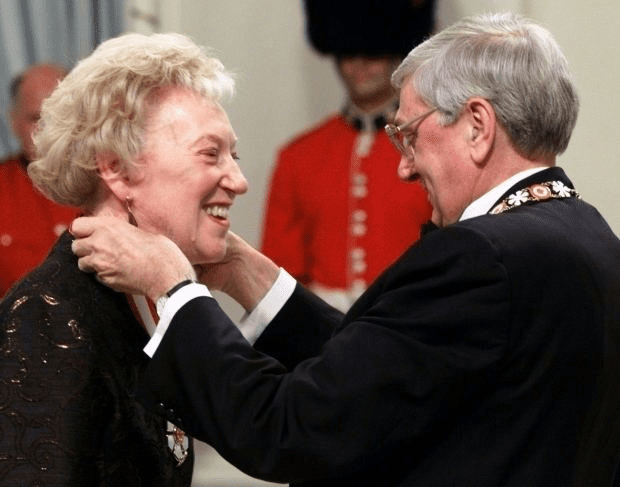
In recognition of her work, MacDonald received more than 16 honours, including honorary degrees in law and humanities from 12 universities in Canada and the United States.
The National Film Board of Canada produced a documentary about her, “Flora: Scenes from a Leadership Convention”, in 1977.