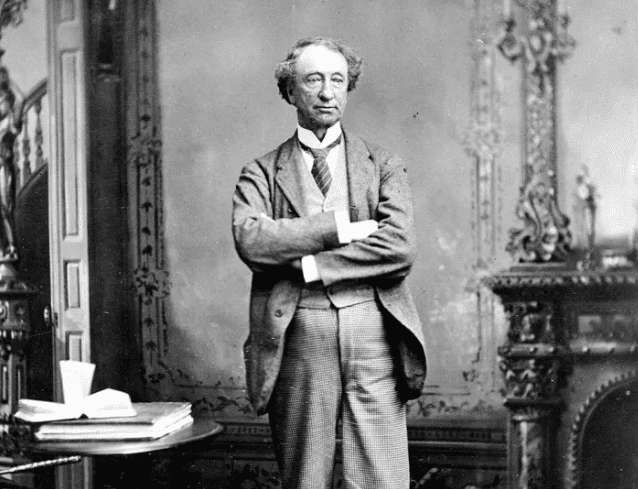

Are you familiar with the biography of Canada’s first prime minister? Sir John A. Macdonald held office from 1867 to 1873 and again from 1878 to 1891. Under his leadership, the Conservative government expanded Confederation and played a key role in the construction of the Canadian Pacific Railway. Ottawa Yes takes a closer look at his legacy and contributions to Canada.
Life in Ottawa
Sir John A. Macdonald had three residences in Sandy Hill:
- 63 Daly Ave – this house burned down in 1873. He had lived there for five years but frequently complained about poor drainage due to the lack of a proper sewage system. The persistent stench even forced him to move his desk to the second floor;
- the next residence of the Macdonald family was at the northwest corner of Chapel and Besserer Streets. The family kept a garden and raised chickens;
- after winning the 1878 election, the Macdonalds moved to Stadacona Hall, now the High Commission of Brunei. Sir John kept peacocks in the gardens of the estate.

Macdonald’s Political Achievements
While living at Stadacona Hall, Sir John A. Macdonald implemented a national economic policy that helped boost domestic production. His tenure also saw significant progress in completing the Canadian Pacific Railway.
Macdonald personally handled most of his correspondence by hand. His office was small but functional. As a politician, he was cautious, strategic, and a skilled tactician, which ultimately led him to become Canada’s first prime minister.
During his first term (1867–1873), Macdonald earned the title “nation builder.” However, his involvement in contract negotiations for the Canadian Pacific Railway led to a political scandal. Despite the controversy, Macdonald insisted that his hands were clean and that he had received no personal benefit from his association with Sir Hugh Allan.
In 1878, Macdonald returned to power by promoting a protective tariff policy. He remained in office until his death.
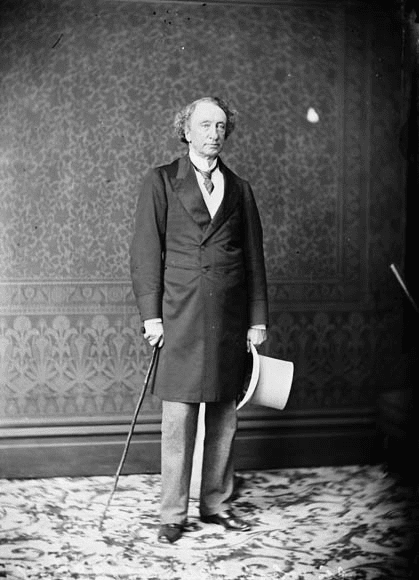
What Was Sir John A. Macdonald Like?
Macdonald was known for his charm, wit, and modesty. Numerous anecdotes highlighted his quick thinking and intelligence.
One of his defining traits was his ability to separate work from his personal life.
His family included his wife, Agnes, and their daughter, Mary. He was a devoted father, as Mary suffered from hydrocephalus and required constant care—she was unable to stand, walk, or eat on her own.
Despite his demanding career, Macdonald rarely complained about his health and lived to 76 years old. His funeral was held at St. Alban’s Church, and he was laid to rest in Kingston.
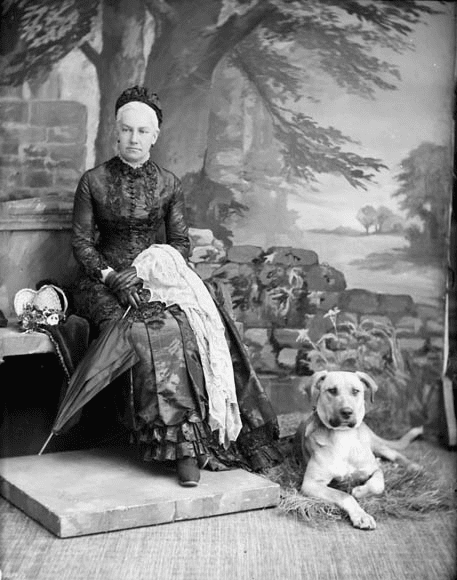
Lady Macdonald
Macdonald’s first wife was his cousin and had a severe illness. She passed away in 1857. Their first child died at 13 months, but their second child survived.
His second wife, Agnes, was 20 years younger and deeply religious. They married in 1867, and two years later, their daughter Mary was born. Despite her illness, Mary lived until 1933.
Over time, Lady Macdonald became a strong and authoritative figure. For example, when the Minister of Finance married a divorced woman, she refused to invite him to social events. However, Adeline Foster, the woman in question, had been abandoned by her first husband, which did not reflect poorly on her character. She also served as the second president of the Ontario Woman’s Christian Temperance Union (1882–1888).
This was just one example of Lady Macdonald’s strict moral standards. However, despite her rigid principles, she knew how to enjoy life.
Interestingly, Sir John A. Macdonald spent his final days at Earnscliffe, which was his first home in Ottawa.