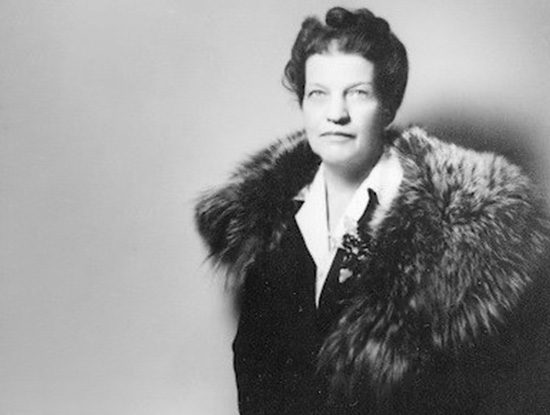

She made history as the first Canadian woman to become a senator. Cairine Reay MacKay Wilson was appointed Senator for Ontario in 1930, a position she held until March 1962, when she passed away. Ottawa Yes takes a closer look at her life story, political ambitions, and personal journey.
Personal Life
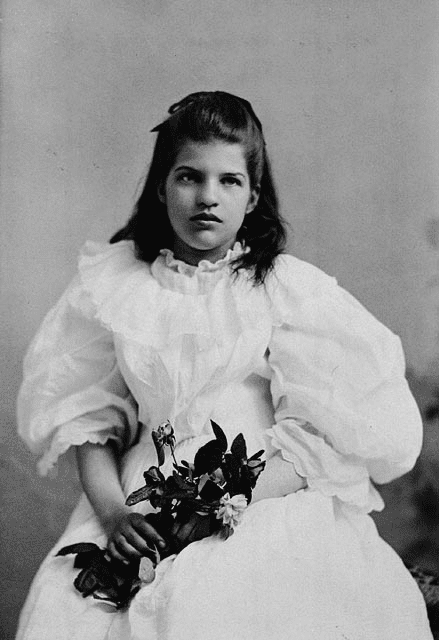
Born into an affluent, socially influential family of Scottish Canadians in Montreal, Cairine grew up with strong ties to the Liberal Party of Canada. Her father, Robert Mackay, served on the boards of several successful Canadian companies and owned both the Bank of Montreal and the Canadian Pacific Railway. In 1901, he was appointed to the Senate, where he served until his death in 1916. Cairine was one of nine children, and little is known about their upbringing; available information suggests that the parents were strict and traditional.
As a teenager, Cairine attended the private Trafalgar School for Girls. After finishing school, she was introduced at a government ball in 1905 to her future husband by Zoë, wife of Sir Wilfrid Laurier. Four years later, Cairine married Norman Wilson, a Liberal Member of Parliament for Russell.
For the first ten years of her marriage, Cairine Wilson raised eight children and managed the household. Before Norman’s death, the couple, along with their eight children, moved to Cumberland, Ontario. On July 14, 1956, Norman passed away following a severe decline in health.
Moving to Ottawa
In 1918, the family relocated to Ottawa, where Cairine Reay MacKay Wilson took on various volunteer roles:
- Providing support to disadvantaged children, the poor, and refugees
- Leading political organizations focused on women with children, including the Victorian Order of Nurses and the Young Women’s Christian Association. These groups supported women with political aspirations.
Cairine’s active involvement led to the founding of the Twentieth Century Liberal Association. Thanks to her, the National Federation of Liberal Women was also established. She served as president of both organizations for ten years (from 1938 to 1948).
Contemporary press reports noted that the bilingual mother of eight and her husband lived at 192 Daly Avenue in Ottawa while their old Keefer Estate in Rockcliffe was undergoing renovations. The family also owned a summer residence in St. Andrews, New Brunswick.
A Long-Awaited Appointment
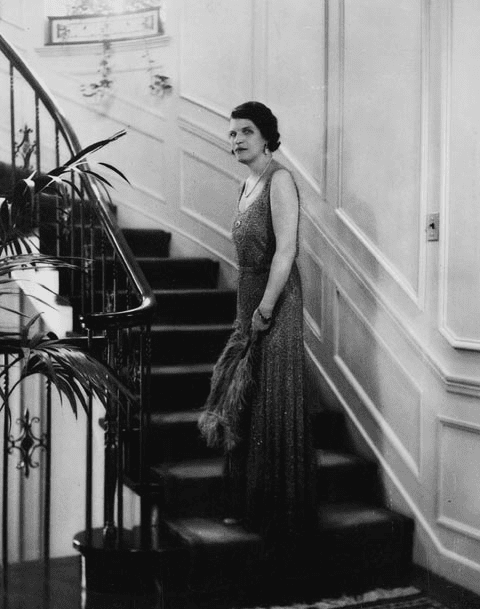
As mentioned earlier, Cairine Wilson became Canada’s first female senator in 1930, at the age of 45. This was a major milestone, happening only four months after the Judicial Committee of the Privy Council’s decision in the “Persons Case,” also known as “Edwards v. Canada.”
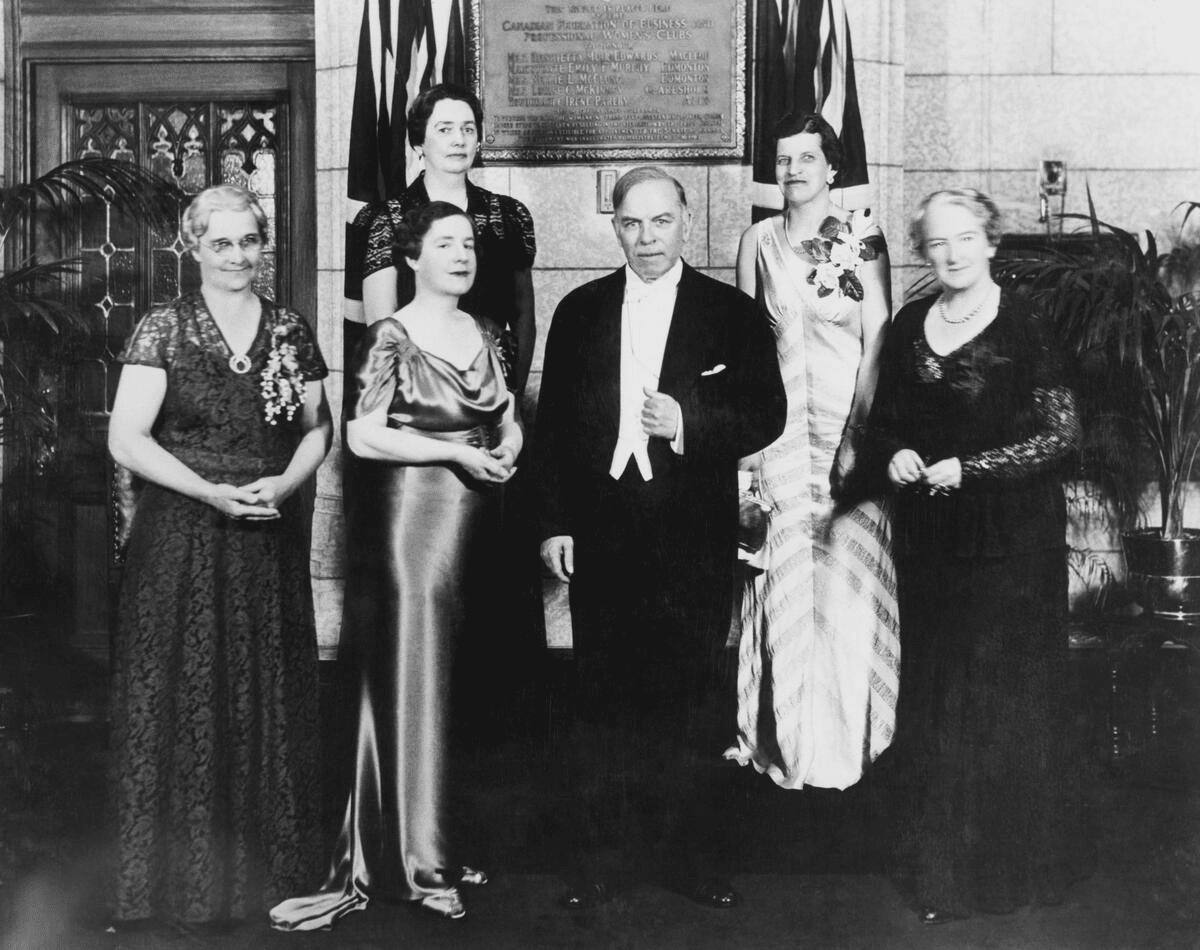
That landmark 1929 constitutional case ruled that women had the right to sit in the Senate of Canada. The case was brought by the government in response to lobbying by a group of women known as “The Famous Five,” which included Henrietta Edwards, Nellie McClung, Louise McKinney, Emily Murphy, and Irene Parlby. Edwards was listed first as the lead appellant because her name appeared first in alphabetical order.
With Cairine Wilson’s appointment, the long-standing practice of excluding women from Senate appointments came to an end. Previously, women were not recognized as “qualified persons” under the BNA Act. Cairine’s example inspired many women, demonstrating that they, too, could hold high political office and make significant decisions on behalf of the country.
Cairine Wilson’s Defining Moment
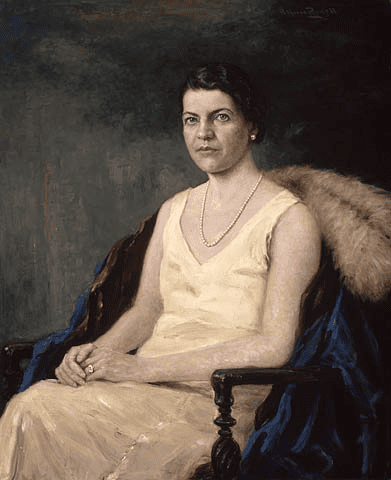
On February 20, 1930, at 3:30 p.m., two newly appointed Canadian senators were introduced to the public: Robert Forke of Pipestone, Manitoba, and Cairine MacKay Wilson of Ottawa. Formally, there was nothing extraordinary about this process—senators were traditionally appointed by the Governor General on the advice of the Prime Minister whenever seats became vacant. Yet the occasion was unique because, for the very first time, a woman took a seat in the Canadian Senate.
Although her name was discussed and there were doubts—her husband openly opposed her taking a paid position, even telling the Governor General she would refuse—Cairine surprised everyone by accepting immediately, despite her husband’s protests. At the time, press coverage emphasized her personal qualities and family connections, rather than her qualifications, praising her poise, tact, and easy manner.
Some strongly disagreed with the decision, arguing that she was a mother of eight children, or that a representative of The Famous Five should have been selected instead, or simply that the seat should remain with a man.
Nonetheless, Cairine Wilson went on to have a long and truly remarkable career in the Senate. Notably, it took the federal government four more years to appoint a second woman, Iva Fallis, in 1935 under Conservative Prime Minister R. B. Bennett. As for the Famous Five, their role was honoured in 2009, when they were made senators posthumously—an important symbolic gesture recognizing their vital work in the struggle for women’s rights.
The United Nations General Assembly
At the request of Louis Stephen St. Laurent—a Canadian lawyer and politician who served as Canada’s 12th Prime Minister—Cairine Wilson became Canada’s first female delegate to the UN General Assembly.
As head of the Canadian Refugee Committee, she worked extensively to help people seeking asylum in Canada. Her commitment to child refugees was so significant that, in 1950, she was awarded the Chevalier Cross of the Legion of Honour.
In 1955, Cairine Wilson became the first woman in Canada to serve as Deputy Speaker.
The End of Cairine Wilson’s Story
She passed away on March 3, 1962, from a heart attack. Three weeks prior, she had been hospitalized at the Ottawa Civic Hospital due to complications from a hip fracture. Her funeral took place at St. Andrew’s Presbyterian Church in Ottawa.
Over the years, Cairine Wilson led several important organizations, reflecting both her influence and the respect she garnered. She believed in supporting young people’s drive to develop leadership skills. A true polymath, she made her mark in many fields, never hesitating to shoulder responsibility and bring her ideas to life.
Although her life story has ended, her legacy lives on. She remains the first woman to hold crucial political positions in Canada, and her name endures in places like Cairine Wilson Secondary School in Orléans, Ontario. This English-language school in the eastern suburb of Orléans—located near the Ottawa River—opened in 1975 and continues to build on her enduring legacy.

Source:
- https://www.historicalsocietyottawa.ca/publications/ottawa-stories/personalities-from-the-very-famous-to-the-lesser-known/canada-s-first-woman-senator
- https://www.thecanadianencyclopedia.ca/en/article/cairine-reay-wilson
- https://www.canada.ca/en/parks-canada/news/2016/05/the-honourable-cairine-reay-mackay-wilson-1885-1962-.html