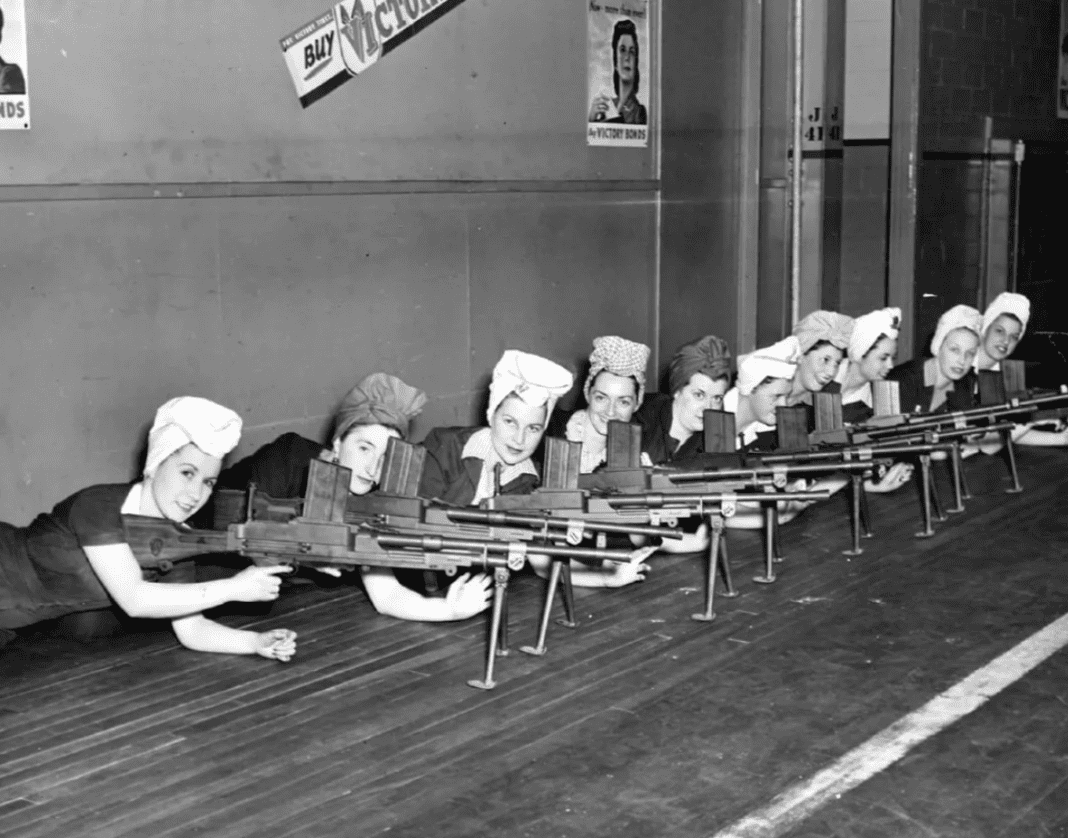

The role of Canadian women during World War II was of immense importance. From 1939, women began arriving in Canada’s capital in large numbers to become part of the Canadian military and contribute to the resistance against Hitler’s policies. Most women in Ottawa during World War II either joined the military or took up government positions—something unprecedented in Canada at the time. Read more on ottawayes.com.
Ottawa’s Women at the Center of World War II Activities
Before the onset of World War II, Canadian women were generally barred from serving in the military, holding high-ranking government positions, or working in traditionally male-dominated jobs. However, everything changed in 1939 when Canada, along with other Allied nations, declared war on Nazi Germany. Many men were either mobilized or voluntarily enlisted in the Canadian Armed Forces. Meanwhile, women from across the country began arriving en masse in Ottawa, eager to contribute to the war effort against the Nazis—despite the fact that, just a short time before, they had been excluded from these roles.
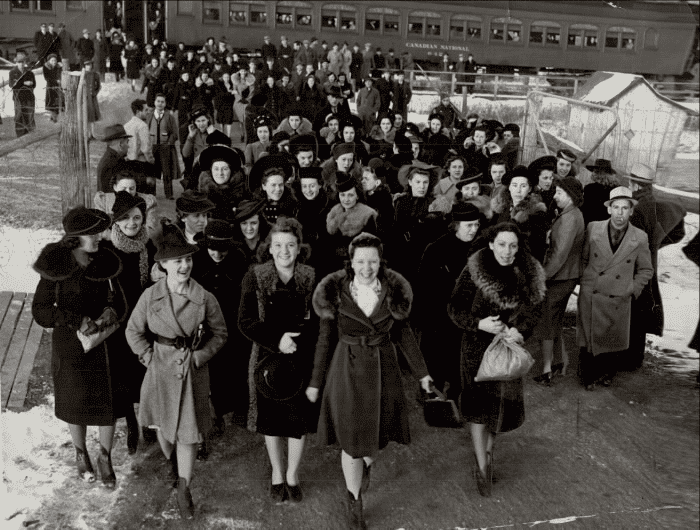
To accommodate the influx of women from across Canada, special military barracks were built in Ottawa. Today, the site of these women’s wartime barracks is occupied by the U.S. Embassy. The barracks were initially designed to house nearly 360 people.
However, as the war progressed, the number of women seeking to join the Canadian Armed Forces continued to rise. Between 1939 and 1945, Ottawa was home to approximately 36,000 women serving in the military or working as government employees.
As the Ottawa government realized that barracks alone would not suffice to accommodate all these women, it began renting out civilian homes to them. In such cases, women had to pay about $8 in rent—equivalent to approximately $105 in today’s currency.
Duties of Women in the Military and Civil Service During World War II
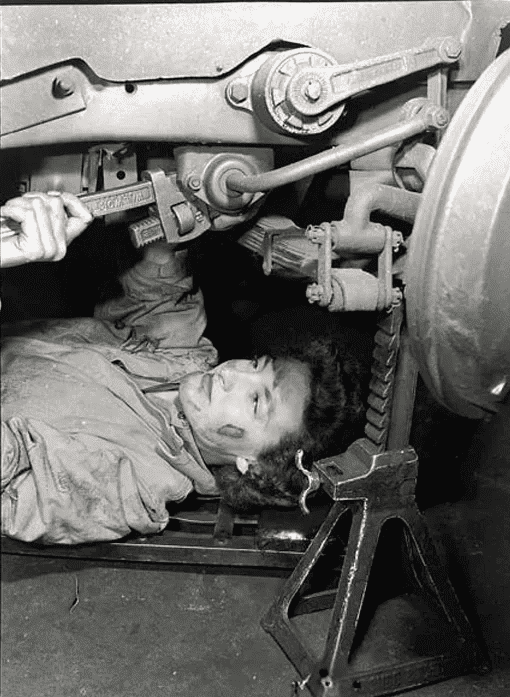
Between 1939 and 1945, Canada’s public sector underwent significant transformations. One of the biggest changes was the integration of women into jobs traditionally held by men—positions they had previously been prohibited from occupying.
It is important to note that, although Ottawa’s women joined the Canadian Armed Forces and entered government service, they were not allowed to engage in combat. Instead, the majority of female military personnel in Ottawa served in clerical roles.
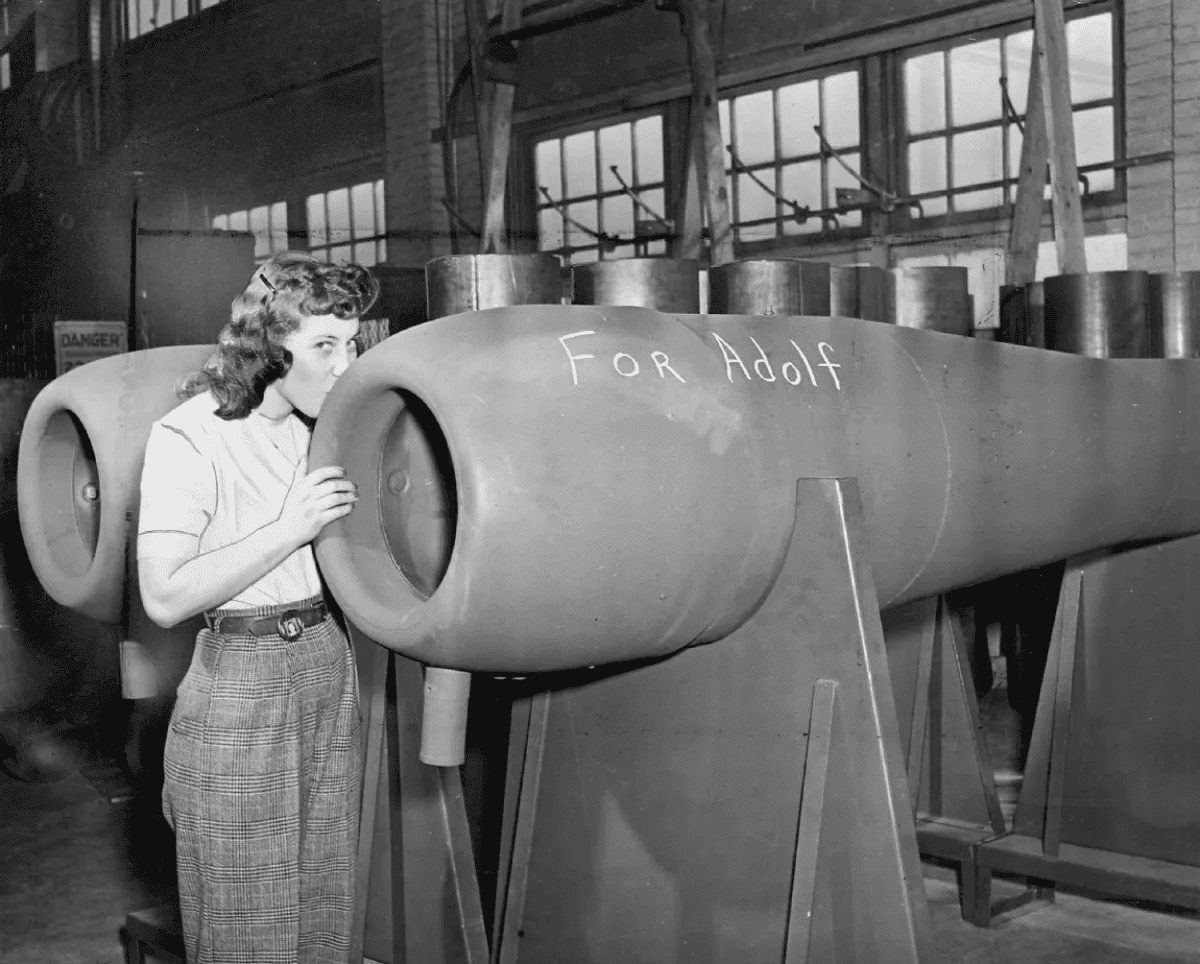
Beyond the military and government sectors, women were also increasingly employed in male-dominated industries. Many worked in manufacturing, producing essential components for military equipment and other wartime necessities. This was an especially demanding job for them, as few women had previously performed such work. Nonetheless, they admirably met the challenges of these male-oriented roles.
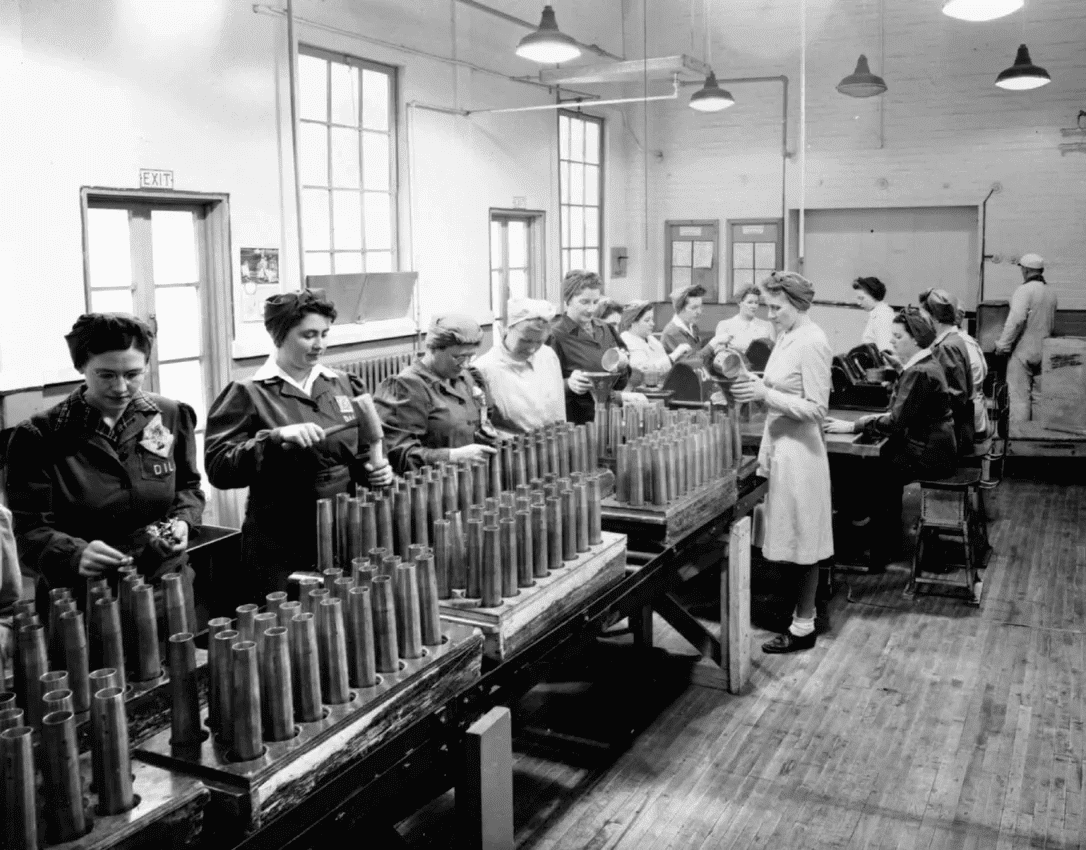
During World War II, women also began advancing in government careers at an unprecedented rate. Their primary focus was supporting the Canadian Armed Forces and assisting Allied forces, making every effort to contribute to the defeat of the Nazi regime. Between 1939 and 1945, the average salary for women in government service was just over $60 per month—the equivalent of approximately $850 today, which remains a modest income by modern standards.
The women of Ottawa played a crucial role in World War II, contributing significantly to military operations, economic stability, industrial production, and other sectors. They performed their duties as effectively as men, and their contributions reshaped their post-war lives. Following the end of World War II, women in Canada gained more rights and opportunities, both in their careers and in broader aspects of society—privileges that had been previously unavailable to them.