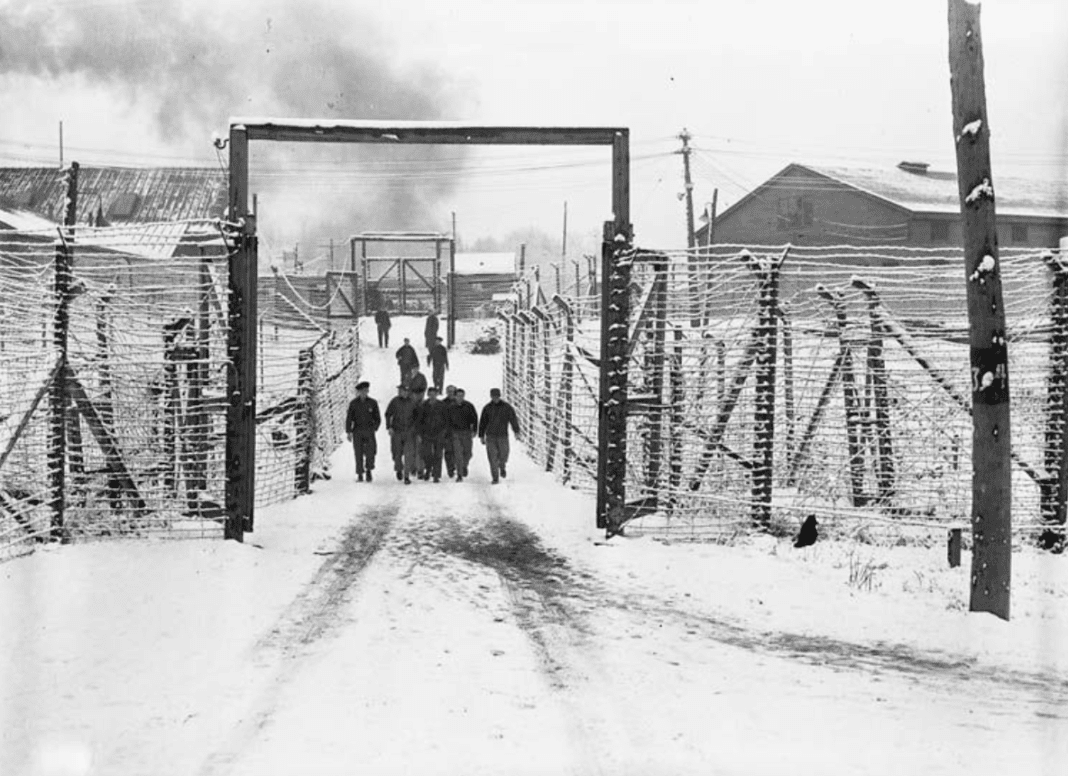

World War II affected many countries, and Canada was no exception. Although no battles took place on Canadian soil, Canadian soldiers actively fought in Europe against Nazi Germany. In addition, prisoner-of-war (POW) camps were located on the outskirts of Ottawa. It is well known that German camps were places of torture and death, where not only prisoners of war but also civilians suffered. However, what were the living conditions like for POWs in Ottawa’s camps during World War II? How were they treated, and what were their living conditions like? Read more on ottawayes.com.
POW Camps in the Ottawa Area
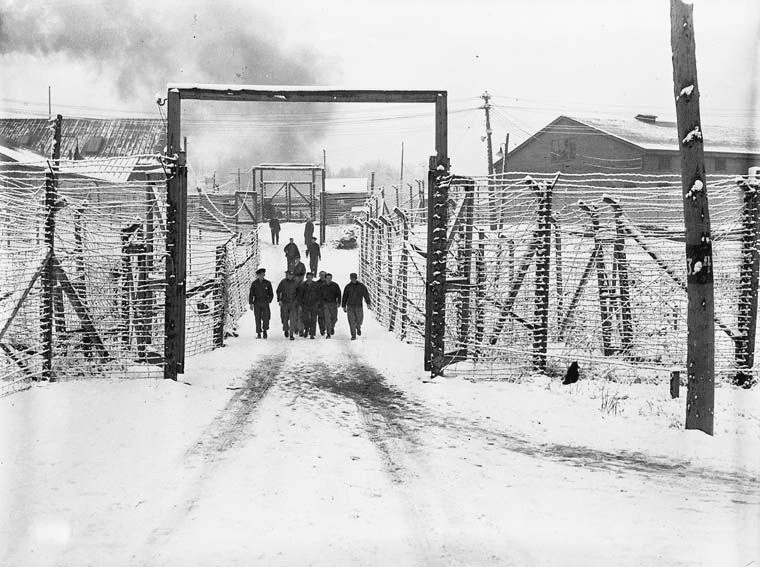
During World War II, there were numerous POW camps across Canada, with several located near Ottawa. The conditions in these camps varied depending on their location and the time period. However, in general, the treatment of prisoners adhered to the standards of the Geneva Convention.
Prisoners in Ottawa’s POW camps were provided with food, clothing, and medical care. However, the quality of food was not always high, as it depended on the period and the specific camp, leading to some variations in food quality. Nonetheless, it cannot be said that POWs in Ottawa suffered from severe malnutrition.
Moreover, prisoners in Ottawa’s camps were allowed to receive parcels and letters from home, as well as send letters and postcards.
Many POWs worked in the camps, and some were even permitted to work outside the camps, usually on local farms or in sawmills. The work performed by POWs helped address labor shortages in the local workforce, as many Canadians had been mobilized for the war effort.
Leisure Activities for Prisoners in Ottawa’s Camps
The experience of being a prisoner in Ottawa’s camps was difficult to compare to imprisonment in other countries. POWs in these camps had numerous privileges, including good clothing, food, work opportunities, and humane treatment.
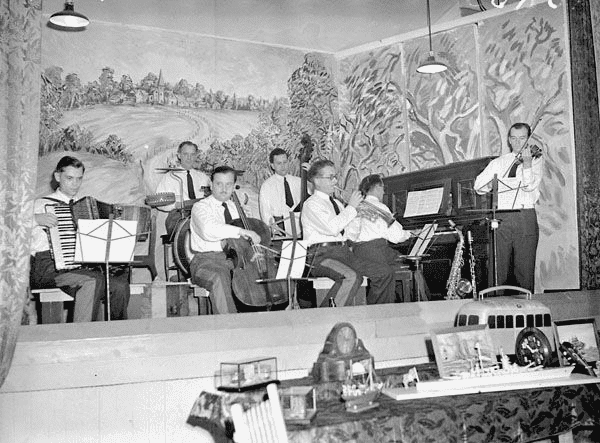
Additionally, German POWs engaged in various recreational activities while in captivity. They were allowed to talk to each other, play soccer, and participate in other sports. During the winter, they often played hockey on frozen rinks. Some prisoners even formed their own theater groups, played in orchestras, and took part in other cultural activities. As a result, it is fair to say that POWs in Ottawa’s camps had access to a diverse range of recreational opportunities.
The humane treatment of German POWs was even criticized at times, as many believed they did not deserve such comfort. Meanwhile, in German camps, prisoners were starved, tortured, and executed.
Among the POW camps located near Ottawa, two notable ones were:
- Hull, located 10 kilometers from the Canadian capital.
- Petawawa, located 130 kilometers from Ottawa.
Following the end of World War II, the last prisoners were released in late 1946. All POWs were repatriated to their home countries, even those who wished to stay in Canada.
Naturally, there were some deaths in the camps. More than 130 bodies of deceased POWs were reburied with full honors at the German military cemetery in Kitchener in the early 1970s.
It cannot be said that the lives of German POWs in Ottawa’s camps were unbearable. They had all the necessary and even comfortable living conditions. Overall, the conditions for POWs in Ottawa during World War II were considered humane and adhered to international standards. However, despite these favorable conditions, many prisoners still experienced homesickness and loneliness.