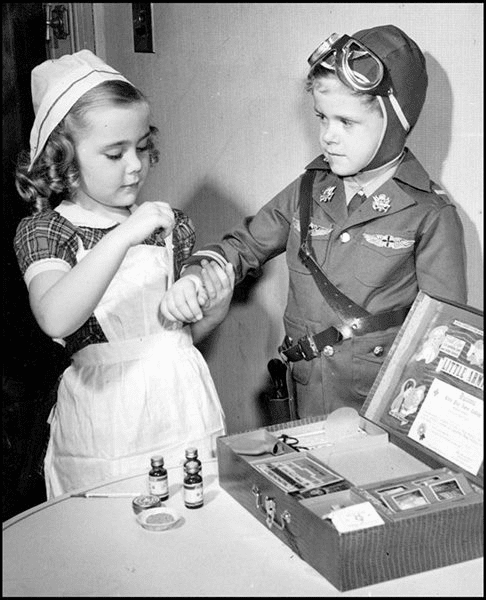
The events of World War II affected everyone, but special attention should be given to children and teenagers, who had to grow up incredibly fast. The voices of young Canadians were often lost, leaving few written records, yet the war had a profound impact on their families and daily lives. Ottawa Yes explores how children experienced and adapted to the challenges of wartime.
Memories of Young Canadians
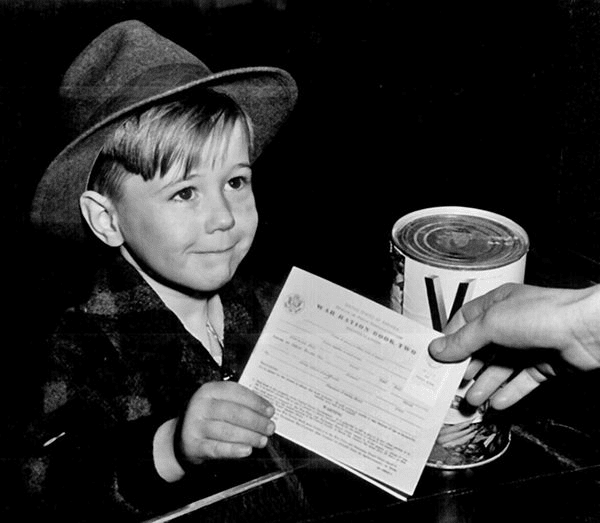
As adults, many Canadians recall how Nazi invasions shaped their childhoods. Most children quickly understood that the world had changed for the worse. By the middle of the war, Canadian families began experiencing food and gasoline shortages, leading to rationing. In major cities like Ottawa, housing shortages became severe. Working-class families took in others, with people living in basements, garages, and attics. It was not uncommon for three children to share a single bed.
Children struggled to accept the reality of strangers replacing lost family members in their homes. They cherished black-and-white photographs of loved ones at war, which were difficult to obtain. Letters from soldiers were read thousands of times, as families longed for reunions and happy endings.
One of the most vivid memories from that time was the sight of a telegram boy riding through the streets. Everyone feared that he would stop at their home, delivering the dreaded government message:
“We regret to inform you…”
Growing Up Too Fast
With the onset of World War II, adults quickly disappeared from the lives of Canadian children, including those in Ottawa. Men of conscription age left for military service, either within Canada or overseas. Male teachers also joined the military. When they returned home, many veterans were physically and emotionally wounded, leaving children and teenagers to cope with the immense changes. The carefree days of childhood seemed a distant memory, replaced by a new, more serious reality.
- Children took on household responsibilities such as cooking, cleaning, and caring for younger siblings.
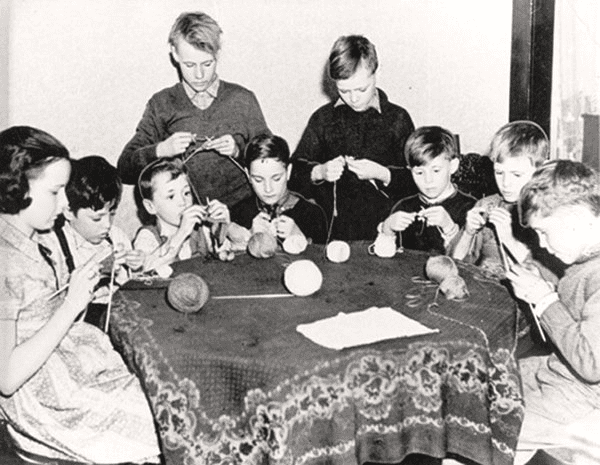
- Those who joined the Junior Red Cross engaged in charity work, contributing to the war effort. Girl Guides and Boy Scouts assisted soldiers’ families by knitting scarves and socks for troops overseas.
- Many students were forced to leave school to find paid work and support their families. Newspaper ads frequently listed jobs for household help or childcare, often targeting girls as young as 10 to 12 years old.
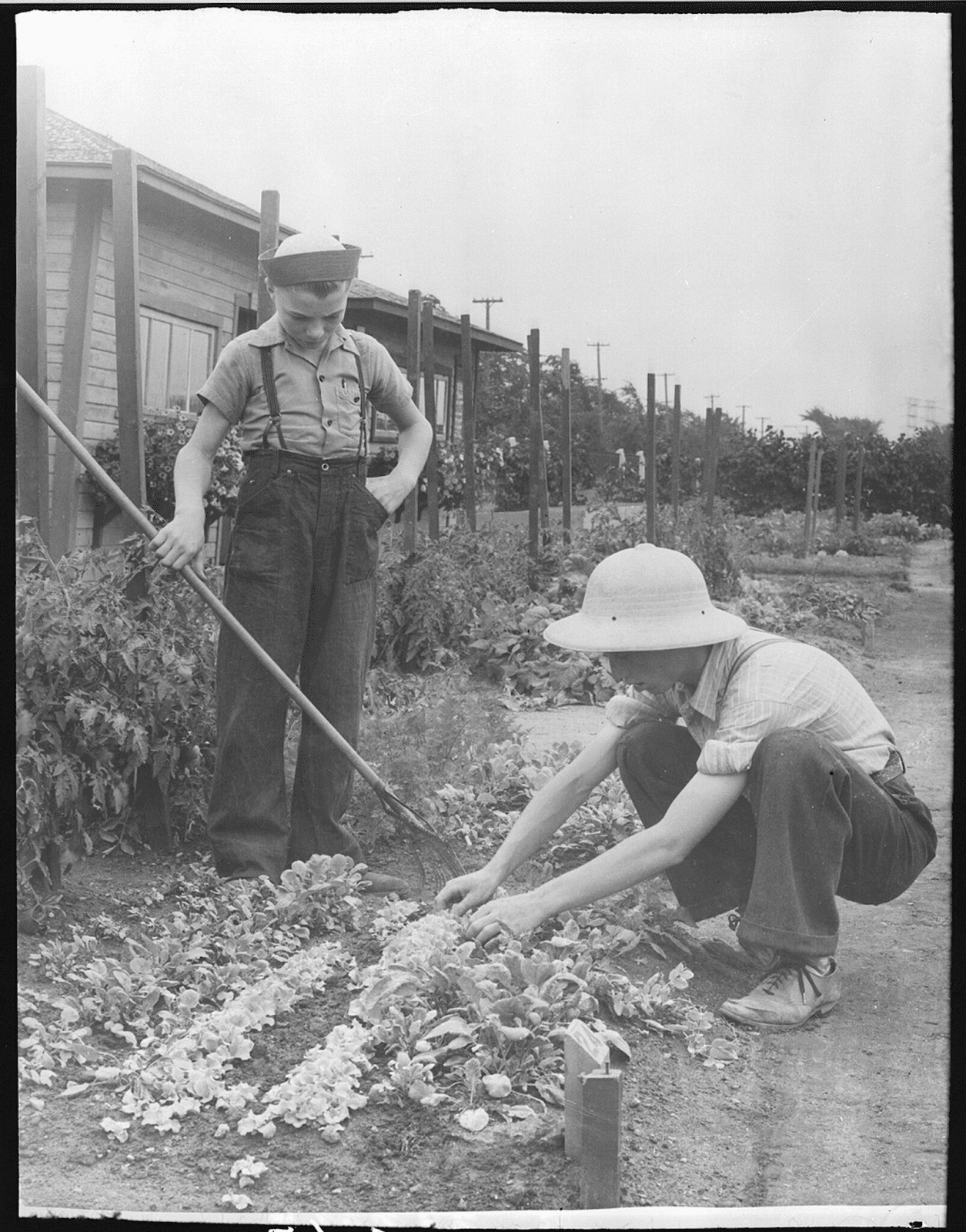
- Children played a crucial role in the “Victory Gardens” movement, planting and tending crops to help feed their families and the troops.
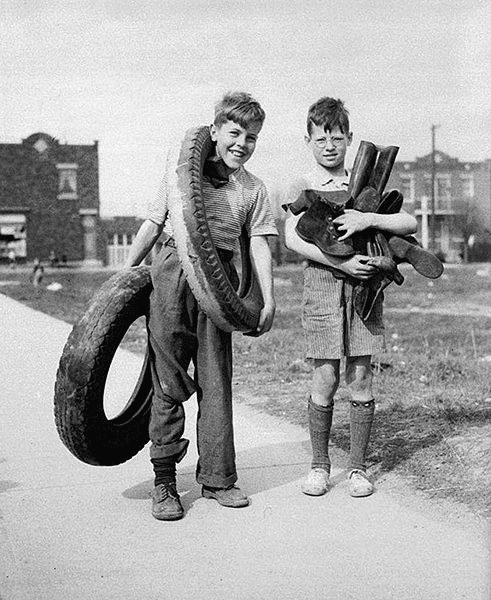
- Kids collected paper and scrap metal from dumpsters, knowing that even play equipment could be melted down and reused for the war effort.
Education During World War II
Schools played an active role in supporting the war effort. Ottawa’s posters encouraged students to conserve resources and be cautious about what they said, warning against gossip that could aid the enemy.
Teachers quickly adapted the curriculum to include wartime lessons, instilling patriotism in their students. Over 7,000 British children were evacuated to Canada in 1940, many settling in Ottawa and other cities.
Some were fortunate to be placed in loving homes where they formed lifelong bonds, but others faced exploitation, working for meagre wages in harsh conditions with little affection or support. Most evacuees returned to their families in Britain before the war ended.
Money intended for children’s care was often diverted to purchase war stamps, which were sold in schools and stores for 25 cents. A child could collect these stamps and later exchange them for a $5 war savings certificate, redeemable after the war.
Discrimination and Persecution
World War II united many Canadians, but not everyone was included. Those of German, Italian, and Japanese descent faced discrimination, persecution, and in some cases, internment.
- Children from these backgrounds were often bullied and called offensive names, targeted because of their ethnicity.
- Many tried to hide their heritage but were not always successful.
- Japanese Canadians suffered the most, with 23,000 people, including children, forcibly removed from their homes and relocated to internment camps in 1942. Conditions in these camps were harsh, leading to increased mortality due to disease, malnutrition, and extreme winters.
These communities lost their homes, jobs, businesses, and even their sense of belonging. Their experiences serve as a reminder of the importance of fostering a just and inclusive society.
What About Fun?
Despite the war, children still found ways to entertain themselves.
- Blackout drills: Schools conducted air raid drills where students sat in darkness, preparing for potential bombings. These exercises made them think about war and the dangers they might face.
- Sports teams: Many renamed themselves with military-inspired names, such as the “Corvettes” or “Spitfires.”
- Literature: Traditional children’s books were replaced with heroic stories about Canadian soldiers. Comics featuring wartime superheroes like Johnny Canuck and Nelvana of the Northern Lights became wildly popular.
- War-themed games: Kids played with toy guns, helmets, and uniforms, reenacting battles. Some games were bilingual, promoting unity between English and French-speaking Canadians.
- Movies: Children flocked to theatres to watch cartoons, comedies, and war films like Casablanca and Mrs. Miniver.
- Radio shows: Young Canadians listened to broadcasts featuring the adventures of Canadian bomber pilots battling the Nazis, offering both inspiration and a sense of pride.
On May 8, 1945, Canadian children and teenagers joined adults in celebrating the end of the war. Yet their joy was tempered by grief, as many families knew that some loved ones would never return home. This was the true cost of war.