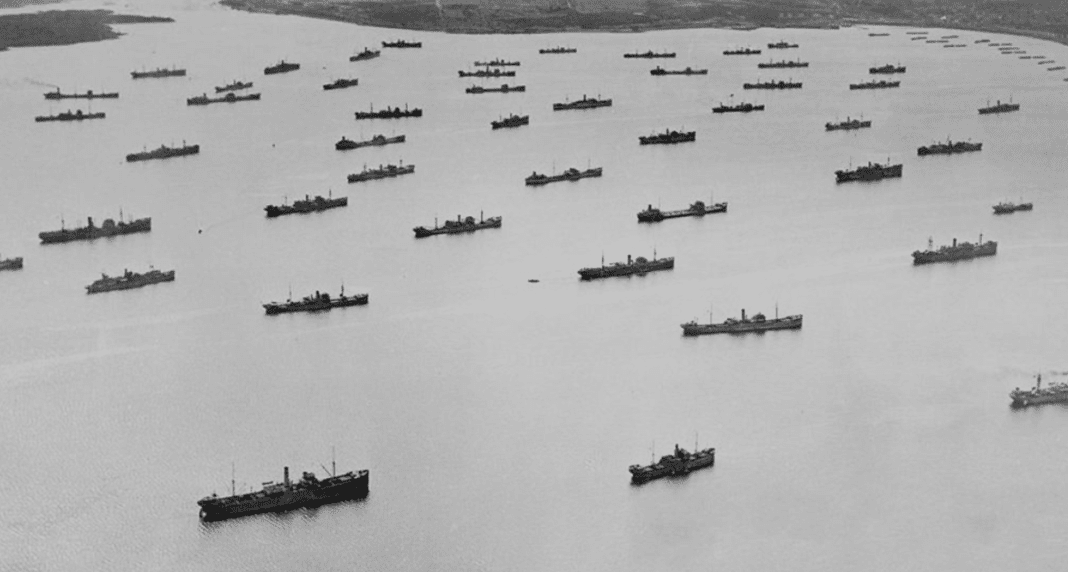

Operation “Fish” remained an incredibly secret mission for a long time. The essence of this operation was the safe evacuation of Britain’s gold reserves during World War II to Canada and the United States, as ordered by British Minister of War Winston Churchill. This operation is also considered the largest transfer of precious metals in history. More on ottawayes.com.
How Did the “Gold Operation” Begin?
In fact, even a year before Operation “Fish” officially began, Britain had already been moving its gold reserves to the U.S. and Canada to purchase necessary weapons for the war against Nazi Germany.
In 1940, the course of the war took a dire turn for Britain and its allies. It was then that Winston Churchill formed his wartime government. As a guarantee for the country’s financial security in case of occupation, he made the decision to launch a highly classified operation, “Fish,” which involved transferring Britain’s wealth to safe locations in Canada. All securities, monetary reserves, and gold were transported to a Scottish port, where they were loaded onto ships in absolute secrecy. Every participant in the operation swore an oath of secrecy.
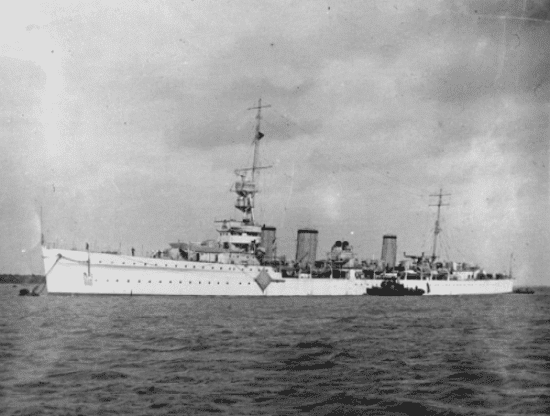
The first gold-laden British ship departed from Scotland in June 1940, escorted by several destroyers. However, Operation “Fish” was immediately at risk. A powerful storm struck in the middle of the ocean, forcing the ships to reduce their speed. This decrease in speed made them easy targets for enemy submarines, and torpedoes could have been launched at any moment.
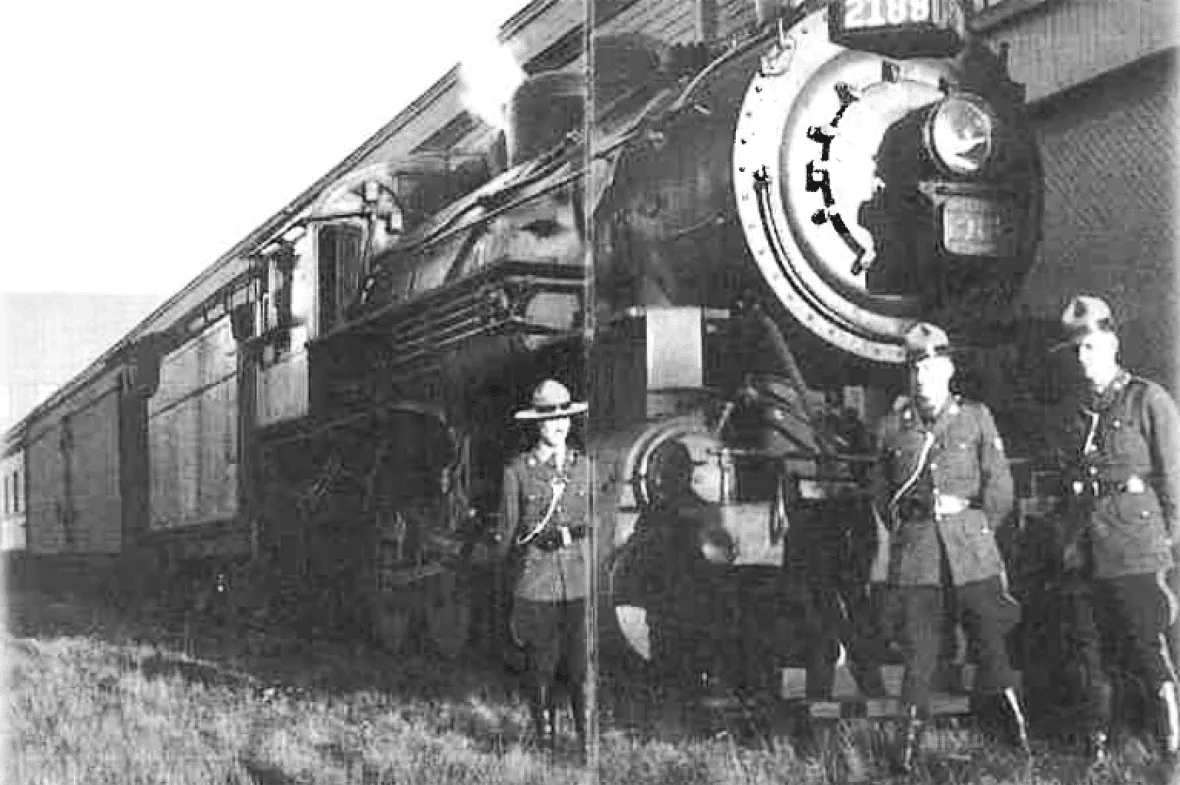
Despite the dangers faced by the fleet, Britain’s wealth safely arrived in Nova Scotia. From there, all gold reserves were transported by railway directly to the capital of Canada—Ottawa—to be stored at the Bank of Ottawa.
Britain’s Gold at the Bank of Ottawa
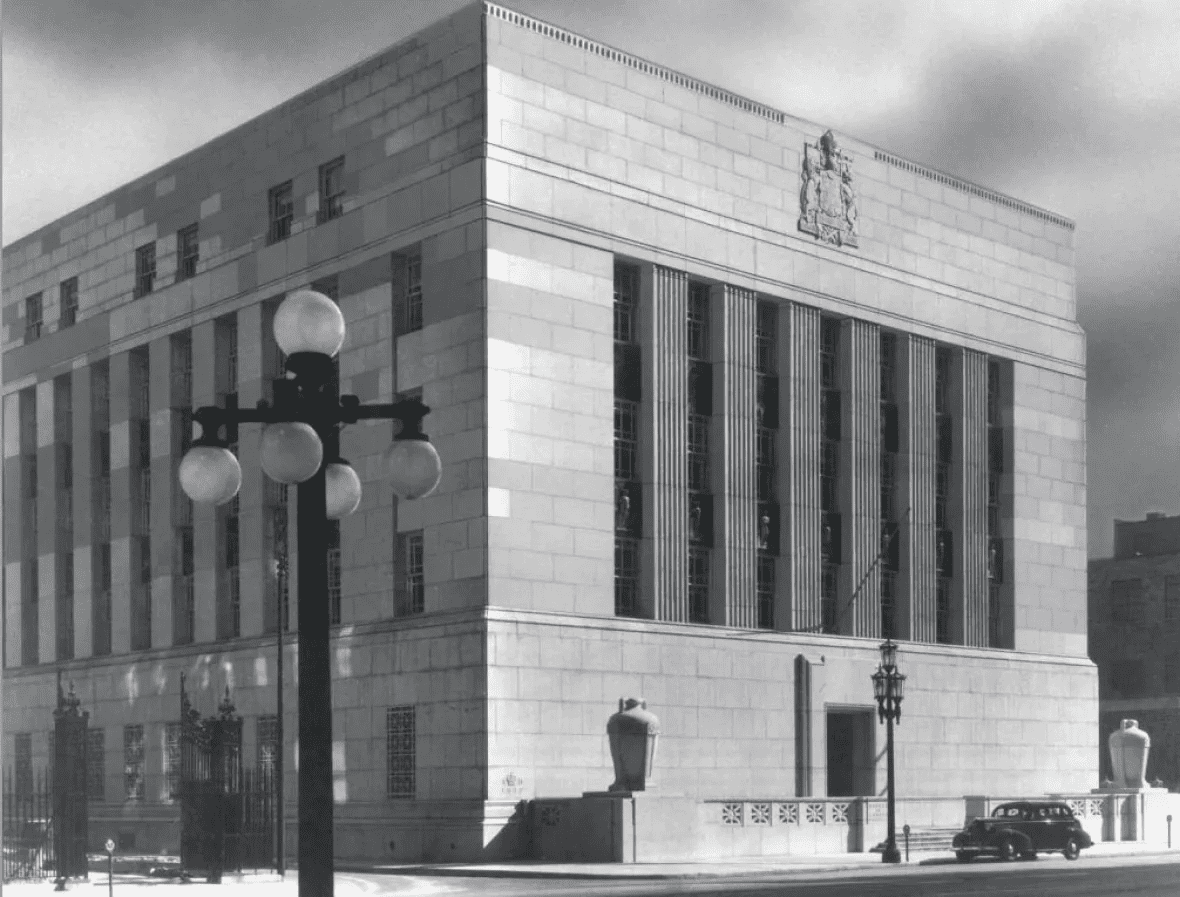
The “golden cargo” arrived in Ottawa at night, reaching Union Station. The gold reserves were then carefully transferred from railway cars into armored vehicles, which moved one by one towards the Bank of Ottawa on Wellington Street. Unloading the vehicles filled with gold crates was an arduous task. Workers labored for 12 hours or longer to transport and secure the shipment.
All of the gold was stored in the underground vault of the Bank of Ottawa, which measured 18 by 30 meters. However, Britain’s gold reserves were so vast that the primary bank vault in Canada’s capital was not sufficient. Workers had to distribute the crates of gold along bank corridors, staff offices, and even other service rooms. The storage shortage became so severe that some of the gold reserves were even kept in the bank’s waste incineration room. Despite the lack of space, the bank’s employees meticulously organized the storage to ensure the utmost security and preservation of Britain’s wealth during World War II.
Winston Churchill’s decision to execute the highly classified Operation “Fish” during the height of World War II was incredibly bold and critically necessary. In 1940, Britain was on the verge of military defeat, and in the event of occupation, it needed unhindered access to its financial resources to continue resisting Nazi Germany.
For a long time, Operation “Fish” remained top secret. No one spoke about it, let alone disclosed its details. Every stage of the operation was executed with extreme caution, far from prying eyes. Despite the involvement of a vast number of people, enemy intelligence agencies never managed to uncover any information about the mission. Throughout World War II, not a single ship carrying Britain’s wealth to Canada was sunk.