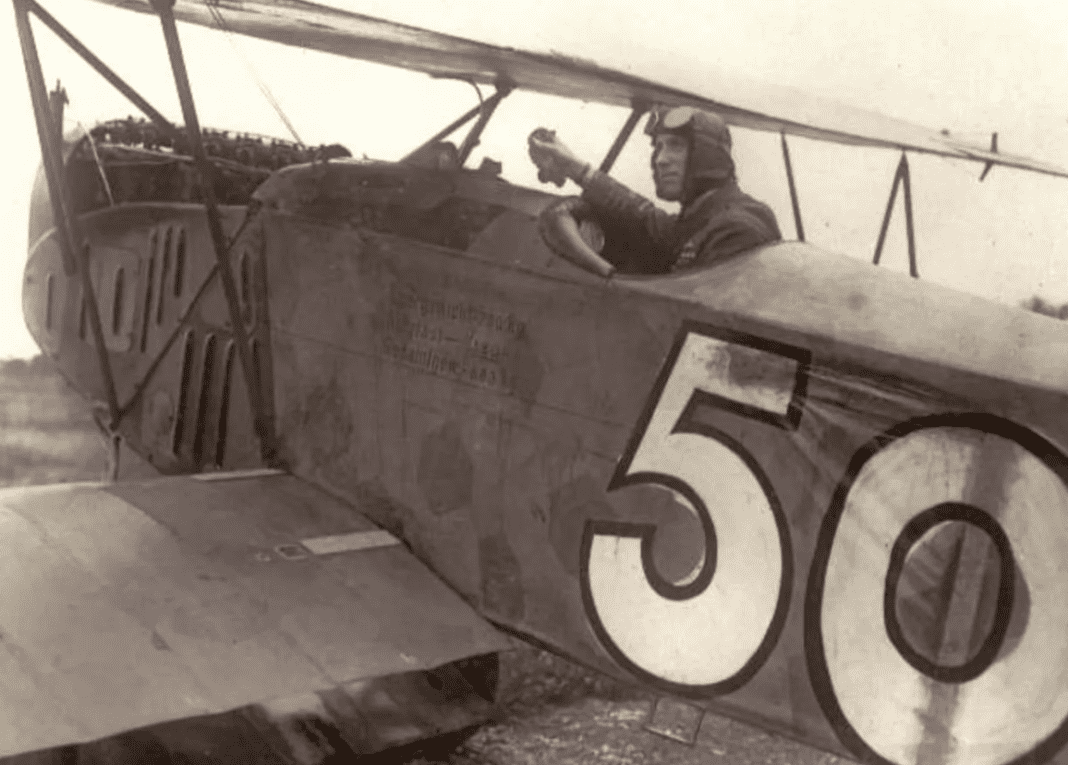

William Barker was one of the most remarkable fighter pilots in the history of Ottawa and Canada. He was incredibly brave, highly skilled, and determined. From a young age, he was drawn to aviation. Barker joined the Royal Flying Corps during World War I and quickly made a name for himself as an experienced and fearless pilot. More on ottawayes.com.
Early Years of the Future Pilot
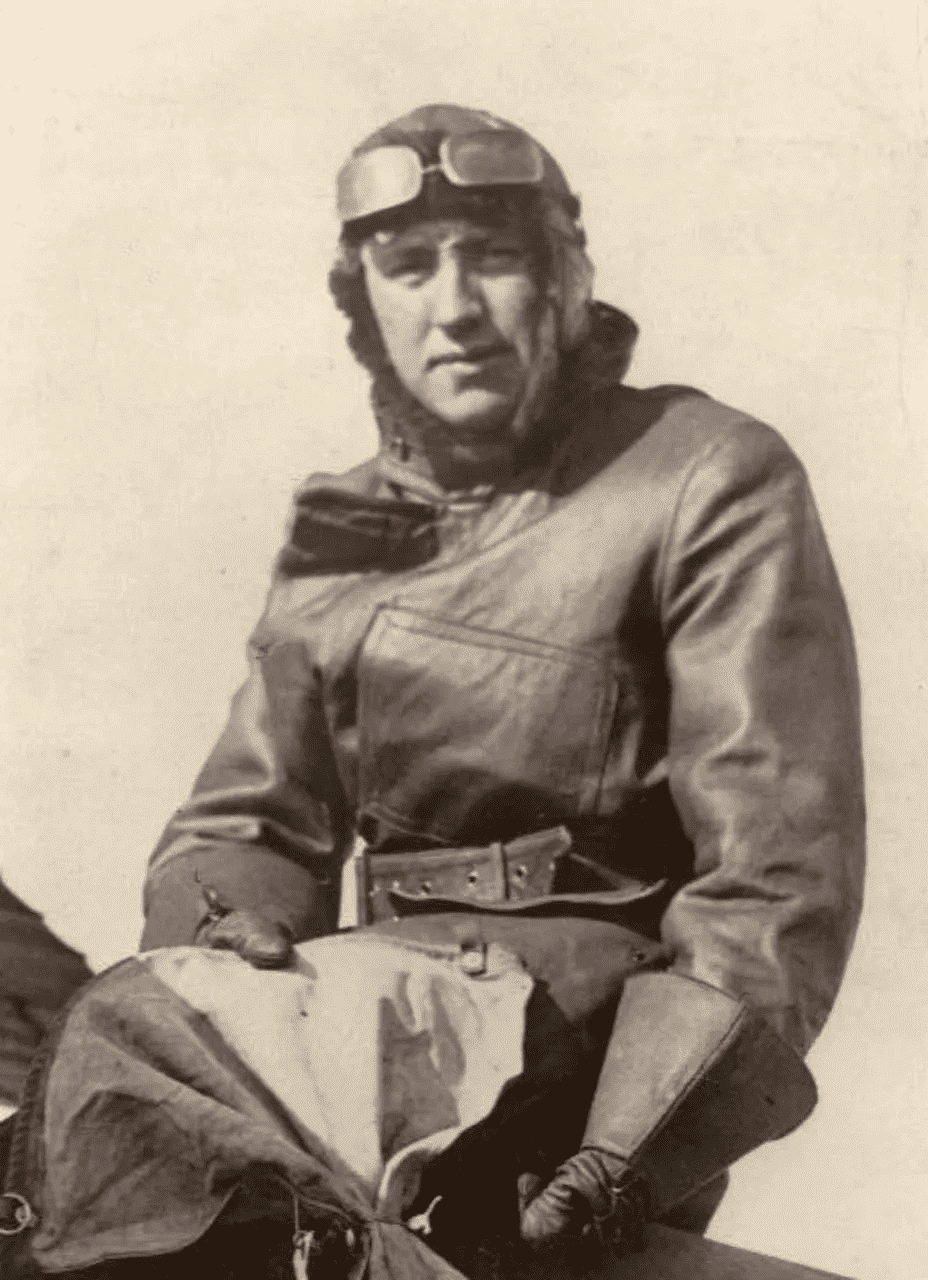
Barker was born in 1894 and spent his childhood on the border of two provinces: Manitoba and Ontario. He grew up in a working-class family—his father was a farmer who also worked as a blacksmith and sawmill laborer. From an early age, Barker knew how to ride horses and shoot. He was also an excellent student, though he often had to miss school to help on the family farm.
Despite having a farm background, and seemingly a predetermined future, Barker decided to pursue aviation. His passion was ignited when he saw “flying machines” at a local agricultural fair. From that moment, dreams of aviation never left him. After finishing school, Barker immediately enlisted in the Canadian Army, joining the Expeditionary Force. He wanted to take part in World War I. Soon after, he transferred to the 1st Canadian Mounted Rifles, trained as a machine gunner, and, in 1915, was deployed to Britain. He later fought in Belgium.
The harsh conditions of war—cold, wet, and muddy trenches—deeply demoralized Barker. This prompted him to seek another transfer. He joined the Canadian Aviation Corps, finally connecting his life with aviation.
Pilot Career
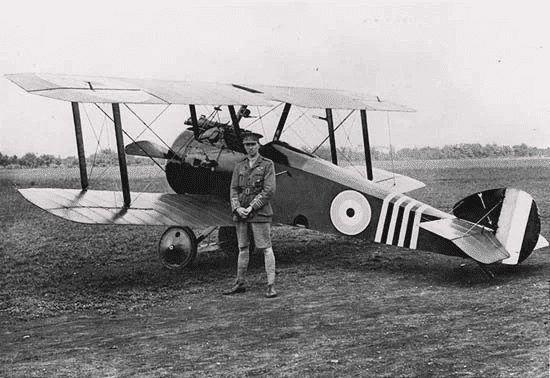
Barker began his pilot career in 1916 and immediately distinguished himself as a top-class aviator. He was bold and fearless. Within a year, he became one of the first pilots to successfully complete a solo flight from Britain to Canada. During World War I, he achieved multiple significant victories, shooting down over 40 enemy aircraft and destroying numerous enemy observation balloons. However, Barker’s greatest and most notable achievement occurred in the final months of the war. In a daring and perilous mission, he and his team flew deep into enemy territory and attacked their positions. Despite being outnumbered, Barker and his fellow pilots managed to destroy and damage enemy aircraft before safely returning to their base.
For his final mission in World War I, along with his exceptional bravery and heroism, Barker was awarded the Victoria Cross—the highest military decoration available to British and Canadian armed forces at that time.
After the war, Barker returned to Canada and settled in Ottawa. He continued his aviation career, serving as a pilot, working for various commercial aviation companies, and participating in air races and other competitions. By the late 1920s, Barker joined the Royal Canadian Air Force as a commander. Aviation remained a lifelong passion.
In 1930, Barker became the president of Fairchild Aircraft. That same year, at Rockcliffe Aerodrome in Ottawa, he was demonstrating a new Fairchild KR-21 biplane. Tragically, an accident occurred, and the legendary Ottawa native and World War I hero crashed. The event was a shock not only to Ottawans but to all Canadians, who mourned the loss of a national hero.
Barker’s body was transported and buried in Toronto. More than 50,000 people attended his funeral—the largest ever held in Toronto at the time—to pay their final respects to a brave and heroic Canadian pilot.
Despite his relatively short aviation career, William Barker left a lasting impact on Canadian aviation history. His courage and skill in the face of danger inspired countless others to pursue aviation. His story stands as a testament to the bravery and dedication of those who serve in the Canadian Armed Forces.