

War affected all aspects of life in the country. Beyond the sense of danger and active combat, Ottawa residents dedicated their efforts to volunteerism and charity. Ottawa Yes explores how the city’s people united during World War II to support one another.
The Contribution of the Junior Red Cross
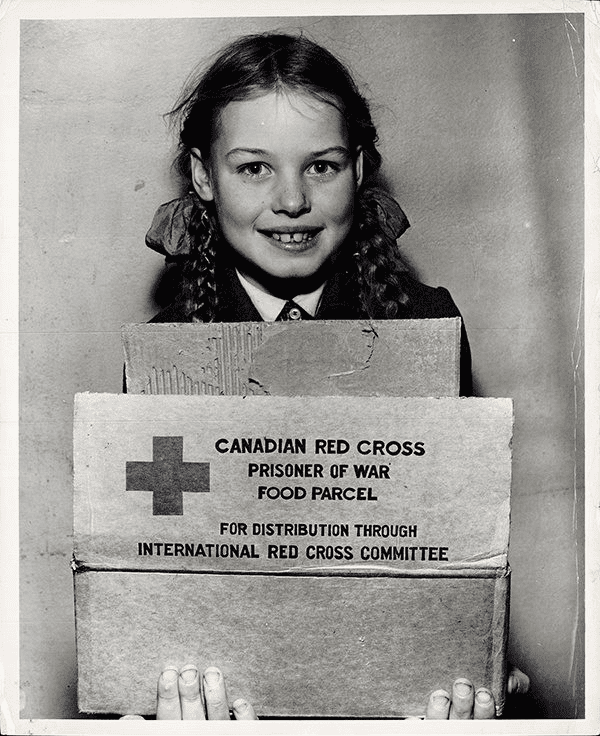
The organization’s projects during World War II provided substantial aid to those in need, not only in Canada but also abroad. Young people were involved in:
- Raising funds to support the Red Cross by organizing fairs, concerts, and charity sales. These efforts helped provide food, clothing, and medicine. They also created and sold handcrafted items, including knitted goods and souvenirs, to gather financial support.
- Volunteering in hospitals, cafeterias, and refugee centres affected by the war, representing the Red Cross.
- Supporting soldiers by collecting and packing care packages. They wrote letters and telegrams to soldiers to boost their morale.
- Conducting educational activities, raising awareness about the importance of first aid, hygiene, sanitation, and the dangers of unexploded ordnance.
- Assisting children who lost their parents or were displaced by the war. By 1942, the organization had supported dozens of nurseries with its projects.
Educators at the time recognized that the Junior Red Cross provided young people with an acceptable way to contribute. Volunteer work allowed them to feel useful during the war, as they were too young to join the army or work in military production.
Hard Work of the Youth
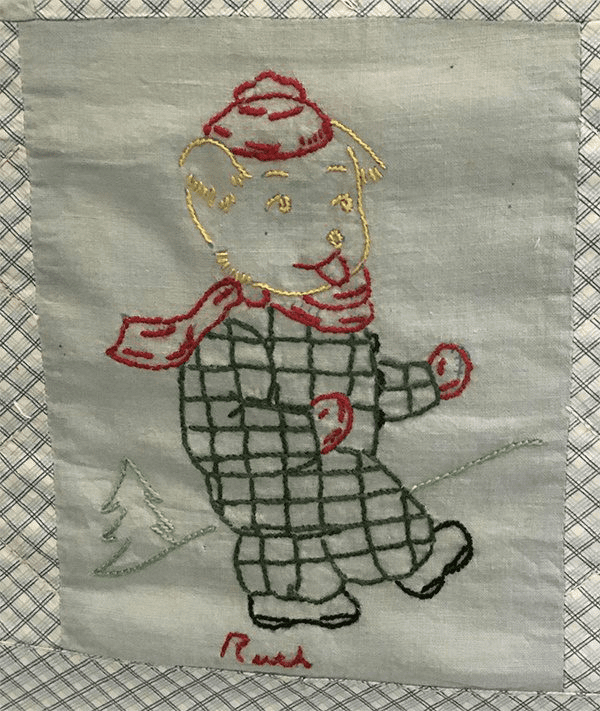
A preserved photograph from World War II showcases a blanket crafted for British war orphans. It was specially embroidered for blind children, allowing them to feel the patterns with their fingertips. This serves as a vivid example of the work done by Canadian children and the Junior Red Cross.
Additionally, in 1941, J.K. Darby, President of the British Columbia Red Cross Division, acknowledged the role of young people. He stated that their dedicated efforts motivated adults to intensify their work towards victory.
Residents of Ottawa and Canada as a whole regarded children’s humanitarian aid as a symbol of hope for future peace.
Overview of Charitable Assistance
Women played a crucial role in charity efforts in Ottawa during World War II. Here are some key areas of their involvement:
- Conducting numerous fundraising campaigns to support Canadian soldiers and their families. These funds were used to purchase food, medical equipment, clothing, and other essential items.
- Collecting donations from Ottawa residents, including clothing, food, and supplies for both military personnel and war refugees who had fled from other countries.
- Volunteering in hospitals, cafeterias, and other organizations focused on aiding soldiers and civilians.
- Gathering scrap metal for military use.
- “Victory Gardens”: Residents planted vegetables and fruits to support both themselves and the military with food supplies.
- Supporting military institutions: Local communities raised funds for the construction and maintenance of military camps and hospitals.
These efforts highlight the significance of charity, especially during wartime. During World War II, Ottawa residents not only provided material assistance by raising funds and gathering essential supplies for soldiers and civilians but also uplifted morale, demonstrating unity against the enemy.
It is worth noting that even after the war, many Ottawa citizens continued their charitable efforts.

Volunteering as an Alternative
For many Canadians who did not want to participate directly in combat, volunteering became an alternative way to contribute. Volunteer work covered a broad range of activities, including fundraising for the army and civilians and supporting charitable organizations. Canadians donated their own money and invested in Victory Bonds, which played a crucial role in financing the war effort.
Those who chose not to serve in combat had other opportunities to assist, such as working in charity organizations, engaging in manufacturing, or contributing to agricultural efforts.
Analyzing charity and volunteer work during both World War I and World War II reveals similarities. Charitable organizations played a similar role in providing support to soldiers and civilians.
Veteran volunteers from World War I approached World War II with a clear understanding of their mission. A popular song from 1940 captured their spirit:
“We did it before, and we’ll do it again.”
This phrase accurately reflects the determination of World War I veterans as they faced another global conflict.
Sources: