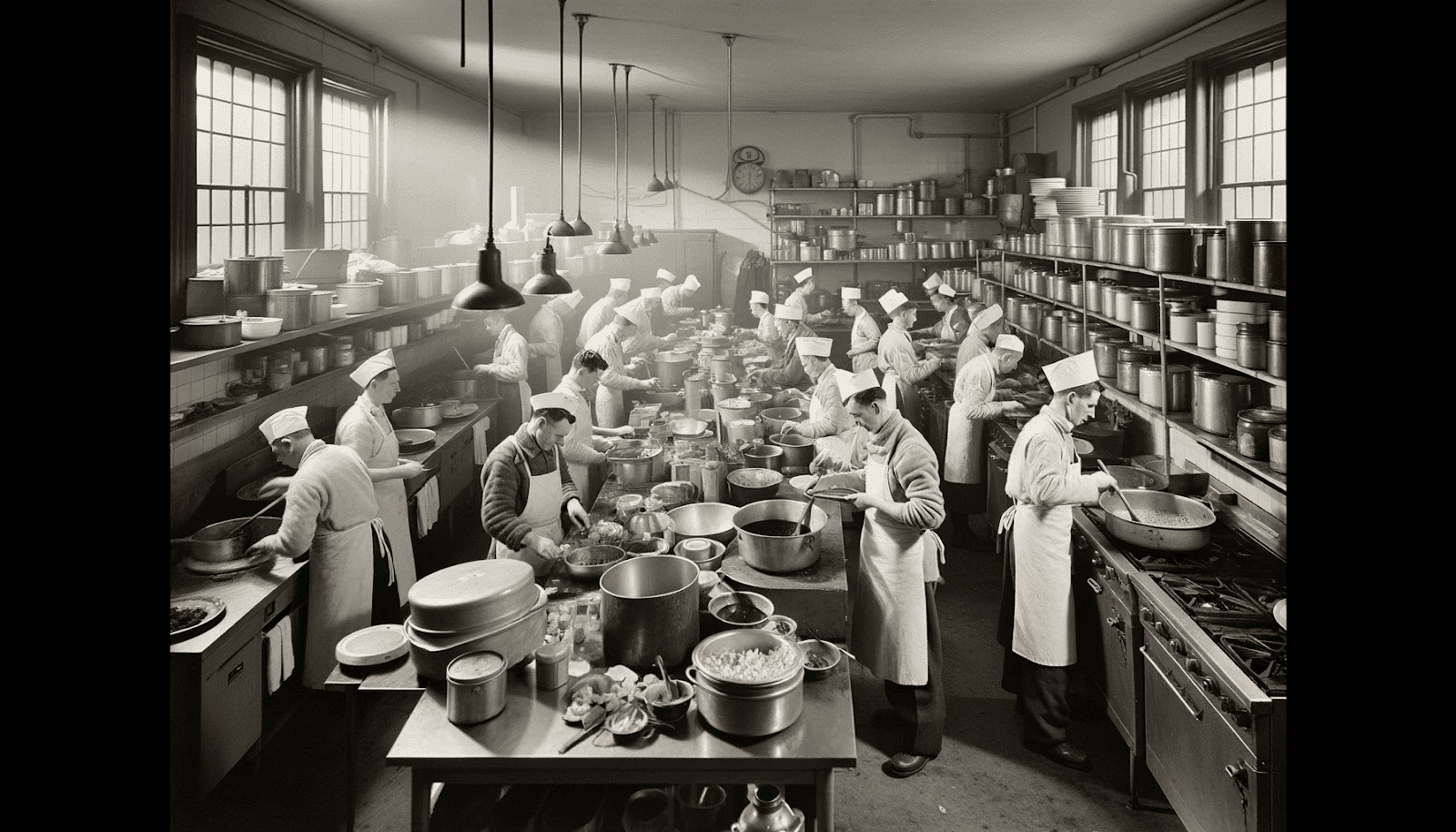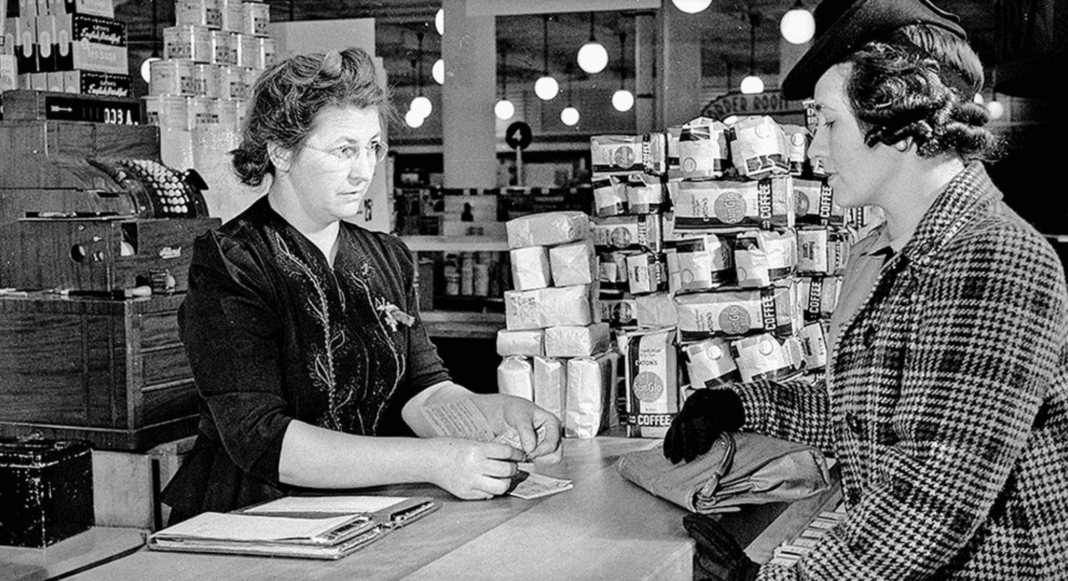

During World War II and the five years that followed, Canadians experienced strict rationing of sugar, meat, dairy, and other food items. Ottawa Yes sheds light on the diet of Ottawa residents living on the home front during these challenging times.
Why Were Rationing Measures Necessary?
Despite the hardships faced by the population, food rationing was essential to supply Canadian soldiers on the front lines, prisoners of war, and refugees from active conflict zones. These temporary measures were crucial to overcoming wartime difficulties.
Canada successfully met these challenges, providing food to its population and allies alike. By the end of the war, Canada supplied:
- 57% of the wheat and flour consumed in the UK.
- 39% of bacon.
- 24% of cheese.
- 15% of eggs to the United Kingdom.
World War II underscored the importance of agriculture for Canadians.
What Did the Diet Look Like?
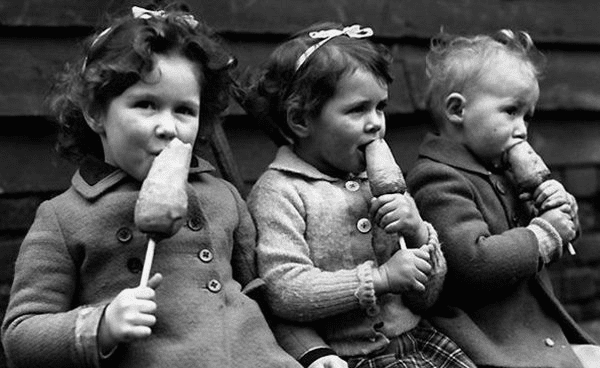
During World War II, the diet of many Canadians could be summed up in one word: vegetables. Urban residents suffered from the blandness and monotony of their meals. The only desserts available at the time were canned berries and fruits. Most Ottawa residents faced malnutrition and severe dietary restrictions.
A typical weekly ration for an adult in Ottawa during the war included:
- One cup of sugar—half the amount consumed by the average modern Canadian.
- 56 grams of tea or 227 grams of coffee—both were imported and in limited supply.
- 113 grams of butter.
- 340-450 grams of meat.
- Alcoholic beverages were also strictly rationed, with availability varying by province.
Despite the scarcity of items like meat and sugar, the restricted diet often led to healthier eating habits compared to today.
The Invention of SPAM
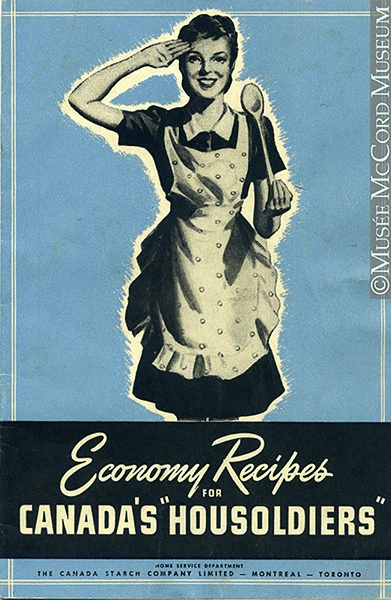
While SPAM is often dismissed today as a low-quality food, during World War II and the post-war years, this seasoned canned ham was a valuable alternative to scarce fresh meat. Its ease of preparation and transport made it a staple not only for soldiers but also for civilians. SPAM provided Canadians with a source of nutrition during difficult times.
Ration Cards
Ration cards were introduced in Canada to ensure the fair distribution of food. Over 11 million cards were issued, with coupons for items like sugar, butter, and meat.
Initially, Canadians voluntarily limited their food consumption out of patriotism and solidarity with allies. However, this approach proved ineffective, leading the government to implement a formal rationing system in January 1942. This ensured the fair allocation of limited supplies, a policy that was largely supported by the public.
Beyond food, rationing extended to clothing, gasoline, and rubber. The Canadian government also launched campaigns to encourage resource conservation and the self-sufficient cultivation of fruits and vegetables.
Unfortunately, rationing also fueled the growth of a black market where rationed goods were sold at inflated prices.
How Did Ottawans Supplement Their Food Supplies?
Ottawa residents worked hard to boost their food supplies, understanding the importance of food security during wartime.
- Victory Gardens: Many planted private gardens to grow fruits and vegetables, supplementing their limited rations.
- Canning: Preserving food through canning became widespread, enabling families to create reserves for winter or periods of scarcity.
- Fishing and Hunting: These activities provided much-needed protein to diversify diets.
Residents used food thoughtfully, ensuring nothing was wasted, and found creative ways to make use of leftovers.
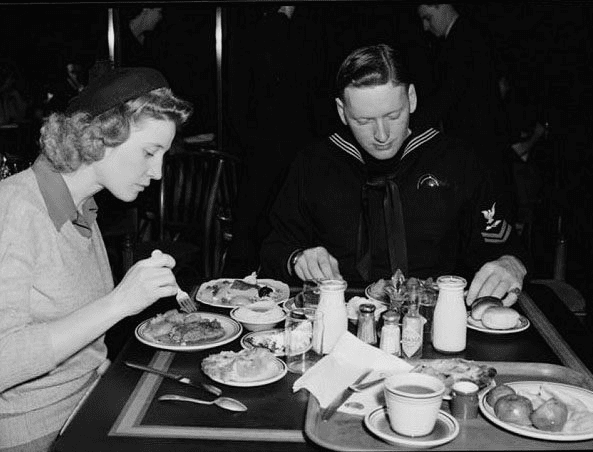
“Food Will Win the War”
Ian Mosby’s book, Food Will Win the War, challenges common myths about wartime diets, such as the idea that wartime recipes were entirely restrictive. It also highlights that not all Canadians experienced rationing equally.
Many wartime recipes mirrored those from the Great Depression, showcasing ingenuity and resourcefulness. A notable example is the “War Cake,” made without eggs, butter, or milk.
Interestingly, Canadians from middle- and upper-class backgrounds felt the impact of rationing more acutely, as they were accustomed to more diverse and abundant diets.
Echoes of the Past
The era of food rationing during World War II is long gone. Modern Ottawa residents enjoy an abundance of food choices. However, older generations still remember the struggles of that time and deeply value the variety of food available today.